


Liver: Functions, Symptoms & Types
Reviewed by: Manipal Hospitals
Posted on
3 Min Read

Not sure what you’re looking for?
Get in touch with our representatives for help!
Contact UsLiver
The liver is the largest solid organ and the largest gland in the human body performing multiple tasks. It is the only regenerative organ and weighs around 1.3 kg in women and 1.8 kg in men. The damaged liver cells regenerate by themselves and heal back to normal potential to perform multiple activities.
Functions of the Liver:
The liver being an essential organ of the body performs over 500 vital functions.
-
Filtering your blood from the gut before transporting it to the rest of your body.
-
Breaking down the hormones in your body.
-
Metabolising the medications and converting them to their active form.
-
Ensuring proper blood clotting by producing proteins.
-
Processing the nutrients from the food consumed.
-
It fights infection and cleans the blood of toxins.
Liver disease is a silent killer, as the symptoms of liver damage go unnoticed till the end stage of liver failure. When symptoms such as jaundice become apparent, the disorder will have already reached an advanced stage.
Causes & Symptoms of Liver Disease
We have listed a few Symptoms of liver conditions:
Many liver disease conditions begin with flu-like symptoms and progress to the more severe signs of liver damage, such as jaundice and dark-coloured urine.
Other symptoms of liver problems include:
-
fatigue
-
loss of appetite
-
nausea
-
vomiting
-
joint pain
-
stomach discomfort or pain
-
nose bleeds
-
abnormal blood vessels on the skin (spider angiomas)
-
itchy skin
-
weakness
-
a low sex drive
-
yellowing of the skin and eyes (jaundice)
-
confusion and difficulty thinking clearly
-
abdominal swelling (ascites)
-
swelling of the legs (oedema)
-
impotence
-
gynecomastia (when males start to develop breast tissue)
-
enlarged liver (hepatomegaly)
-
dark urine
-
pale-coloured stools
If you’re experiencing any of the symptoms mentioned above, talk with your gastroenterologist in Bangalore immediately.
Types of liver diseases
The liver is a vital organ. People with liver diseases may experience several symptoms such as yellowing of eyes and nails, abdominal pain, easy bruising, nausea and vomiting, fatigue, and swelling (oedema).
There are several types of liver disease.
Some of the most common liver diseases are:
-
Hepatitis: Hepatitis involves inflammation of the liver. There are several causes of hepatitis. However, viral infection is one of the most common causes. Viral hepatitis includes hepatitis A, hepatitis B, hepatitis C, hepatitis D, and hepatitis E. Acute hepatitis is resolved within six months, while treatment of chronic hepatitis requires more than six months to resolve.
-
Autoimmune liver disease: In this condition, the immune system of the body attacks and damages the healthy liver cells. The autoimmune liver diseases include primary biliary cirrhosis, primary sclerosing cholangitis, and autoimmune hepatitis.
-
Fatty liver disease: In this disease, fat accumulates in the liver which interferes with normal liver function. Fatty liver disease may be alcoholic fatty liver disease (due to excessive alcohol consumption) and non-alcoholic liver disease.
-
Drug-induced liver disease: The liver helps in the metabolism of drugs. Several drugs have toxic effects on the liver. In most cases, the damage reverses on stopping the medication. However, if the drug is continued for long, it may result in permanent liver damage. Overdose of some medicines, such as paracetamol, may also cause liver failure.
-
Liver cirrhosis: Various conditions result in damage to liver cells. The liver, while recovering from these damages, develops scar tissues. More damage to the liver results in more scar tissue which will interfere with liver function.
-
Liver failure: It is a condition in which a significant part of the liver gets damaged. It may be acute due to poisoning or chronic, such as due to liver cirrhosis.
-
Liver cancer: Liver cancer occurs when liver cells multiply uncontrollably. Liver cancer may initiate from the liver (primary liver cancer) or spread to the liver from another organ (metastatic cancer).
Food for a Healthy Liver
It is essential to keep the liver healthy. Diet plays a vital role in maintaining the structural and functional integrity of the liver. In addition, several foods help reduce the risk of liver diseases and improve overall liver functioning.
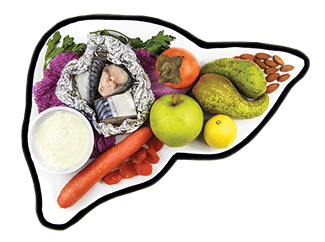
Foods good for liver
Healthy foods help improve liver functions and prevent damage to the liver from harmful chemicals. Some of the liver-friendly foods are:
-
Grapefruit: It contains several powerful antioxidants. These help in preventing liver inflammation and reduce oxidative stress. Grapefruit is reported to prevent the liver from alcohol-induced liver steatosis.
-
Beetroot Juice: It improves the natural antioxidant properties of the liver by increasing natural detoxification enzymes. It also reduces oxidative stress and prevents inflammation.
-
Grapes: It also contains an adequate amount of antioxidants that reduce oxidative stress and prevent liver inflammation. Both the pulps and the skin of grapes are healthy.
-
Nuts: Studies reported that increased consumption of nuts reduces the risk of non-alcoholic fatty liver disease. It also reduces inflammation, oxidative stress, and insulin resistance.
-
Cruciferous vegetables: Several cruciferous vegetables, such as broccoli and Brussels sprouts, positively affect liver health. These are rich in fibres and increase antioxidant activity in the liver.
-
Fish: Omega-3 fatty acids, present in fatty fish, help reduce the level of triglycerides and fats in patients with non-alcoholic steatohepatitis and non-alcoholic fatty liver disease.
-
Sunflower seeds: Sunflower seeds are a good source of vitamin E, which possesses potent antioxidant properties. It may be helpful for patients with NAFLD.
-
Turmeric: Curcumin, present in a considerable amount of turmeric, reduces the liver damage markers in NAFLD patients. It lowers aspartate aminotransferase (AST) and serum alanine aminotransferase (ALT) levels in patients with fatty liver disease.
-
Oatmeal: Oatmeal has a positive effect on patients with NAFLD. It helps in reducing triglyceride levels.
-
Olive oil: Olive oil has several liver-related health benefits. It reduces the accumulation of fat and improves blood flow to the liver. It also manages the fat level and improves the enzymes of the liver.
You can consult the dietician at the liver hospital in Bangalore if you have any queries related to the food you should eat for a good liver.
Liver Transplant
A liver transplant is a surgical procedure where a liver failure case is treated by transplanting a healthy liver from either a deceased or a living donor.
1. How has liver transplantation evolved in India?
Liver transplantation began in India in the early part of this millennium. There were some attempts to perform cadaver and live transplants in late 1990. However, despite the Human Organ Transplant Act, which came into effect in 1994, the transplant numbers were very small, with some extent of success in Chennai and Hyderabad. Then, a liver transplant was started in Delhi at Gangaram Hospital and spread to other large hospitals. The transplants were done successfully with reasonable numbers.
In Karnataka, there was some attempt in early 2000. In 2011 and 2012, the team started doing transplants in Bangalore. An intensive comprehensive liver care team was established with the hepatologist, HPP surgeons, interventional radiologist, diagnostic radiologist, and intensive care specialist. As far as the type of transplant is concerned, South India leads in cadaver transplants and North India live transplants. In the south, most transplants are done for local people who undergo a mixture of cadaver and liver transplants. In Karnataka, we have 26 hospitals with the license to perform liver transplants with a multidisciplinary approach to care for liver patients.
2. Challenges specific to India
There are various challenges related to liver transplantation in India. A few are listed below:
1. Absence of a standardised referral pathway for patients needing care for decomposition liver disease. This was due to a lack of cooperation between various sub-specialities of gastroenterology. Patients end up needing to be referred when they are very ill or very early for transplantation. Significant comorbidities, metabolic syndrome, malnutrition, and lower muscle mass, lead to poor nutrition in the already sick patient making his condition less suitable for a liver transplant.
2. Economic related to liver transplants in India because the focus is on primary and secondary care. This year government of India considered NASH as a notifiable no communicable disease. The next epidemic in our country can be related to fatty liver disease. There is a big challenge when patients develop complications post-liver transplant and prolong their hospital stay, as most of them pay directly or very few have an insurance policy. In Manipal, we have a model to perform the transplant in children with minimal cost. It involves an innovative combination of CSR funding, subsidised transplant care, subsidy from a pharmacy, deduction in hospital cost, and crowdfunding which enables us to perform transplants for 2.5 to 5 lakhs to the patient's family but the hospital gets paid 12.5 to 15 lakhs. This is a viable model and has performed around 120 such transplants.
3. Awareness of acceptance of the futility of care when patients are severely injured. Reluctance on the part of the medical fraternity, and people to accept brain-dead transplants.
4. We need a system to audit the outcomes and the performances of complex and expensive procedures. The patients should be aware of the outcome of the complex procedures. There should be a robust mechanism for clinical governance and audit of our practices so we can improve our delivery of health care to our patients.
3. How to make liver transplants affordable?
50 to 60 % of people have other diseases than alcohol consumption, which has led to liver damage. Non-alcoholic steatohepatitis (NASH) is a self-inflicted disease and will be a big problem with time. As the number of transplants increases, it becomes more affordable. Early referral, awareness, more donations, trained people, teams performing transplantation, better auditing, and monitoring teams performing the liver transplant can bring down the cost of liver transplantation. In India, we do not have the exact cost of a liver transplant. It is difficult to calculate the human intellect and effort that goes into treating these patients. Liver transplants can be made affordable for children by raising funds as they are not associated with alcohol consumption.
4. Liver disease in children
The nature and impact of liver disease differ between adults and children. Also, the mode of treatment is completely different in children. The type of liver disease that occurs in children can be broadly divided into genetics like Wilson's disease, mitochondrial diseases, metabolic diseases like maple syrup urine disease, and urea cycle disorder. The common cause of liver diseases in children is a deformity of bile ducts leading to jaundice in a child within a few days of birth. This condition can be treated with surgery but is not helpful in all cases, and they need liver transplantation. Also, tumours in children called hepatoblastoma are treated with liver transplantation.
Pre and post-liver transplant care
A liver transplant is a major surgery. Therefore, it is essential to take care before and after the liver transplant procedure.
Pre-Transplant care
Several measures will help you to prepare yourself for a liver transplant. Some of them are:
-
Avoid alcohol consumption and smoking: Once the doctor recommends a liver transplant for you, stop drinking alcohol as it may worsen the progression of liver damage. Further, stopping smoking as smoking before a transplant may affect surgical outcomes.
-
Eat healthy food: Incorporate healthy foods into your daily diet. Patients with liver disease generally have an increased demand for proteins and calories. So add healthy fats, fruits and vegetables, lean proteins, and low-fat dairy to your diet.
-
Stay active: Remain as fit as possible before the surgery. Moderate exercise may help to reduce anxiety and improve energy levels. It will help in recovering from surgery. You may perform gentle exercises, such as cycling, jogging, or walking.
-
Maintain a healthy weight: if you are overweight or obese, the doctor may advise you to reduce your weight. It will reduce post-surgical complications and assist in recovery.
-
Take medicines as prescribed: It is necessary to take all the medicines at the time as prescribed by the doctor.
You should follow the below measures after a liver transplant:
-
Prevention from infection: Avoid meeting with visitors at home for at least one week after discharge, especially those reported to have any signs of infection. Avoid using a wheelchair and preferably walk as much as possible.
-
Diet: It is essential to have a healthy diet rich in protein. It will accelerate wound healing and promote liver regeneration.
-
Self-hygiene: Wash your hands before and after the food. Take care of your wound as directed by the surgeon. Contact the hospital if there is swelling or pus at the incision site.
-
Follow-up visits: Do not miss any of the follow-up visits. It will help monitor your recovery and avoid complications.
In India, the first liver transplantation was successful in the year 1998. Since then, there have been numerous safe and successful transplants. But still, people consider it a threat to donate organs.
People are ignorant of organ transplantation until someone in their family or close relations is on the verge of death due to organ failure. It is only then they realise the importance of organ donation. The part of the donor's liver regenerates in a couple of months into full size and capacity, saving another life.
Liver Transplant Case Studies
Here are a few stories of liver transplantation that took place in our Manipal Hospital.
1. Jayanthi was a 37-year-old loving mother of 10-year-old Sandeep. She donated her liver to save her son and underwent transplantation at Manipal Hospital, Old Airport Road.
Sandeep was a loving child of Jayanthi. They both were leading a happy life until he experienced yellowish eyes, urine, and fever. They immediately consulted a doctor in their hometown, Hassan. The condition was diagnosed as jaundice and liver damage. They then approached Comprehensive liver care at Manipal Hospital. Dr Rajiv Lochan and the team of doctors investing in the case suggested he should undergo liver transplantation.
Due to the financial crisis, they were broke. Then, the mother boldly came forward with the encouragement of our team of doctors and donated a kidney. Manipal Hospital also promised them financial help through fundraising. His mother donated her liver on 20th February 2022. His mother had no bounds to her joy as she was able to save her son.
Now both the mother and son are leading a healthy life. She leaves a message that our body perishes, but by donating organs we save lives. She is also thankful to the team of doctors for helping to save her child.
2. Veda was a 31-year-old homemaker and the loving daughter of Mr. Raghu. She donated her liver to save her father, and they underwent a transplant on October 14th, 2021, at Manipal Hospital, Old Airport Road.
In 2017, Mr. Raghu first experienced the symptoms of liver failure. He was tired, had a fever, swelling of the stomach, and yellowish eyes and urine. They directly consulted Dr. Rajiv Lochan in Manipal Hospital. He was under treatment and medication for three and a half years. Later in 2021, they observed his failing health and found that a transplant was the only option.
His daughter Veda boldly came forward to save her father's life. She donated her liver without a second thought. They underwent transplantation on October 14th, 2021. She was in the hospital for 11 days and her father for 22 days. Now, both are leading healthy lives. Now she leads an active life, doing all house chores, walking for an hour every day, etc.
When asked whether they tried for a cadaver transplant, she said she had no thought of a brain-dead transplant. She leaves a heart-touching message that people should never say no to a girl child. She also has inspired two other people to donate a liver.
3. Lavanya was a 27-year-old loving mother of a 6-year-old son Addwikh Tej. She donated her liver to her son and underwent transplantation on 24th December 2021 at Manipal Hospital, Old Airport Road.
Addwikh Tej was an active child, happily passing through his childhood days. His mother noticed his eyes and urine turning yellow colour. Suspecting jaundice, they consulted a paediatrician and were diagnosed with an enlarged liver. He was on medication for two weeks without any improvements. It was then they consulted Manipal hospital. Dr. Srikanth KP suggested a series of tests and a liver biopsy on 23rd, September 2021. Dr. Rajiv Lochan confirmed that the liver was damaged and needed transplantation. Under the team of Dr Rajiv Lochan, he underwent transplantation on December 24th, 2021, and was discharged on 8th January 2022.
Due to the financial crisis, they had to wait till December 24th to transplant their liver. She raised the fund through NGOs and other agencies. Being a mother, she gave life twice to Adwick in 6 years. She is an inspiration.
4. This video discusses the case of a patient from Tamil Nadu, who was in possible need of a liver transplant after she contracted Jaundice. The patient came to Manipal Hospital in Bangalore for treatment after several unsuccessful earlier treatments. Our liver transplant specialists in Bangalore diagnosed that an immediate liver transplant was not necessary and after several days of treatment and therapy in I.C.U., noticed a considerable improvement in her health and discharged her successfully.
The liver is the largest solid organ and the largest gland in the human body performing multiple tasks. It is the only regenerative organ and weighs around 1.3 kg in women and 1.8 kg in men. The damaged liver cells regenerate by themselves and heal back to normal potential to perform multiple activities.
The liver being an essential organ of the body performs over 500 vital functions.
-
Filtering your blood from the gut before transporting it to the rest of your body.
-
Breaking down the hormones in your body.
-
Metabolising the medications and converting them to their active form.
-
Ensuring proper blood clotting by producing proteins.
-
Processing the nutrients from the food consumed.
-
It fights infection and cleans the blood of toxins.
Liver disease is a silent killer, as the symptoms of liver damage go unnoticed till the end stage of liver failure. When symptoms such as jaundice become apparent, the disorder will have already reached an advanced stage.
We have listed a few Symptoms of liver conditions:
Many liver disease conditions begin with flu-like symptoms and progress to the more severe signs of liver damage, such as jaundice and dark-coloured urine.
Other symptoms of liver problems include:
-
fatigue
-
loss of appetite
-
nausea
-
vomiting
-
joint pain
-
stomach discomfort or pain
-
nose bleeds
-
abnormal blood vessels on the skin (spider angiomas)
-
itchy skin
-
weakness
-
a low sex drive
-
yellowing of the skin and eyes (jaundice)
-
confusion and difficulty thinking clearly
-
abdominal swelling (ascites)
-
swelling of the legs (oedema)
-
impotence
-
gynecomastia (when males start to develop breast tissue)
-
enlarged liver (hepatomegaly)
-
dark urine
-
pale-coloured stools
If you’re experiencing any of the symptoms mentioned above, talk with your gastroenterologist in Bangalore immediately.
The liver is a vital organ. People with liver diseases may experience several symptoms such as yellowing of eyes and nails, abdominal pain, easy bruising, nausea and vomiting, fatigue, and swelling (oedema).
There are several types of liver disease.
Some of the most common liver diseases are:
-
Hepatitis: Hepatitis involves inflammation of the liver. There are several causes of hepatitis. However, viral infection is one of the most common causes. Viral hepatitis includes hepatitis A, hepatitis B, hepatitis C, hepatitis D, and hepatitis E. Acute hepatitis is resolved within six months, while treatment of chronic hepatitis requires more than six months to resolve.
-
Autoimmune liver disease: In this condition, the immune system of the body attacks and damages the healthy liver cells. The autoimmune liver diseases include primary biliary cirrhosis, primary sclerosing cholangitis, and autoimmune hepatitis.
-
Fatty liver disease: In this disease, fat accumulates in the liver which interferes with normal liver function. Fatty liver disease may be alcoholic fatty liver disease (due to excessive alcohol consumption) and non-alcoholic liver disease.
-
Drug-induced liver disease: The liver helps in the metabolism of drugs. Several drugs have toxic effects on the liver. In most cases, the damage reverses on stopping the medication. However, if the drug is continued for long, it may result in permanent liver damage. Overdose of some medicines, such as paracetamol, may also cause liver failure.
-
Liver cirrhosis: Various conditions result in damage to liver cells. The liver, while recovering from these damages, develops scar tissues. More damage to the liver results in more scar tissue which will interfere with liver function.
-
Liver failure: It is a condition in which a significant part of the liver gets damaged. It may be acute due to poisoning or chronic, such as due to liver cirrhosis.
-
Liver cancer: Liver cancer occurs when liver cells multiply uncontrollably. Liver cancer may initiate from the liver (primary liver cancer) or spread to the liver from another organ (metastatic cancer).
It is essential to keep the liver healthy. Diet plays a vital role in maintaining the structural and functional integrity of the liver. In addition, several foods help reduce the risk of liver diseases and improve overall liver functioning.
Healthy foods help improve liver functions and prevent damage to the liver from harmful chemicals. Some of the liver-friendly foods are:
-
Grapefruit: It contains several powerful antioxidants. These help in preventing liver inflammation and reduce oxidative stress. Grapefruit is reported to prevent the liver from alcohol-induced liver steatosis.
-
Beetroot Juice: It improves the natural antioxidant properties of the liver by increasing natural detoxification enzymes. It also reduces oxidative stress and prevents inflammation.
-
Grapes: It also contains an adequate amount of antioxidants that reduce oxidative stress and prevent liver inflammation. Both the pulps and the skin of grapes are healthy.
-
Nuts: Studies reported that increased consumption of nuts reduces the risk of non-alcoholic fatty liver disease. It also reduces inflammation, oxidative stress, and insulin resistance.
-
Cruciferous vegetables: Several cruciferous vegetables, such as broccoli and Brussels sprouts, positively affect liver health. These are rich in fibres and increase antioxidant activity in the liver.
-
Fish: Omega-3 fatty acids, present in fatty fish, help reduce the level of triglycerides and fats in patients with non-alcoholic steatohepatitis and non-alcoholic fatty liver disease.
-
Sunflower seeds: Sunflower seeds are a good source of vitamin E, which possesses potent antioxidant properties. It may be helpful for patients with NAFLD.
-
Turmeric: Curcumin, present in a considerable amount of turmeric, reduces the liver damage markers in NAFLD patients. It lowers aspartate aminotransferase (AST) and serum alanine aminotransferase (ALT) levels in patients with fatty liver disease.
-
Oatmeal: Oatmeal has a positive effect on patients with NAFLD. It helps in reducing triglyceride levels.
-
Olive oil: Olive oil has several liver-related health benefits. It reduces the accumulation of fat and improves blood flow to the liver. It also manages the fat level and improves the enzymes of the liver.
You can consult the dietician at the liver hospital in Bangalore if you have any queries related to the food you should eat for a good liver.
A liver transplant is a surgical procedure where a liver failure case is treated by transplanting a healthy liver from either a deceased or a living donor.
Liver transplantation began in India in the early part of this millennium. There were some attempts to perform cadaver and live transplants in late 1990. However, despite the Human Organ Transplant Act, which came into effect in 1994, the transplant numbers were very small, with some extent of success in Chennai and Hyderabad. Then, a liver transplant was started in Delhi at Gangaram Hospital and spread to other large hospitals. The transplants were done successfully with reasonable numbers.
In Karnataka, there was some attempt in early 2000. In 2011 and 2012, the team started doing transplants in Bangalore. An intensive comprehensive liver care team was established with the hepatologist, HPP surgeons, interventional radiologist, diagnostic radiologist, and intensive care specialist. As far as the type of transplant is concerned, South India leads in cadaver transplants and North India live transplants. In the south, most transplants are done for local people who undergo a mixture of cadaver and liver transplants. In Karnataka, we have 26 hospitals with the license to perform liver transplants with a multidisciplinary approach to care for liver patients.
There are various challenges related to liver transplantation in India. A few are listed below:
1. Absence of a standardised referral pathway for patients needing care for decomposition liver disease. This was due to a lack of cooperation between various sub-specialities of gastroenterology. Patients end up needing to be referred when they are very ill or very early for transplantation. Significant comorbidities, metabolic syndrome, malnutrition, and lower muscle mass, lead to poor nutrition in the already sick patient making his condition less suitable for a liver transplant.
2. Economic related to liver transplants in India because the focus is on primary and secondary care. This year government of India considered NASH as a notifiable no communicable disease. The next epidemic in our country can be related to fatty liver disease. There is a big challenge when patients develop complications post-liver transplant and prolong their hospital stay, as most of them pay directly or very few have an insurance policy. In Manipal, we have a model to perform the transplant in children with minimal cost. It involves an innovative combination of CSR funding, subsidised transplant care, subsidy from a pharmacy, deduction in hospital cost, and crowdfunding which enables us to perform transplants for 2.5 to 5 lakhs to the patient's family but the hospital gets paid 12.5 to 15 lakhs. This is a viable model and has performed around 120 such transplants.
3. Awareness of acceptance of the futility of care when patients are severely injured. Reluctance on the part of the medical fraternity, and people to accept brain-dead transplants.
4. We need a system to audit the outcomes and the performances of complex and expensive procedures. The patients should be aware of the outcome of the complex procedures. There should be a robust mechanism for clinical governance and audit of our practices so we can improve our delivery of health care to our patients.
50 to 60 % of people have other diseases than alcohol consumption, which has led to liver damage. Non-alcoholic steatohepatitis (NASH) is a self-inflicted disease and will be a big problem with time. As the number of transplants increases, it becomes more affordable. Early referral, awareness, more donations, trained people, teams performing transplantation, better auditing, and monitoring teams performing the liver transplant can bring down the cost of liver transplantation. In India, we do not have the exact cost of a liver transplant. It is difficult to calculate the human intellect and effort that goes into treating these patients. Liver transplants can be made affordable for children by raising funds as they are not associated with alcohol consumption.
The nature and impact of liver disease differ between adults and children. Also, the mode of treatment is completely different in children. The type of liver disease that occurs in children can be broadly divided into genetics like Wilson's disease, mitochondrial diseases, metabolic diseases like maple syrup urine disease, and urea cycle disorder. The common cause of liver diseases in children is a deformity of bile ducts leading to jaundice in a child within a few days of birth. This condition can be treated with surgery but is not helpful in all cases, and they need liver transplantation. Also, tumours in children called hepatoblastoma are treated with liver transplantation.
A liver transplant is a major surgery. Therefore, it is essential to take care before and after the liver transplant procedure.
Pre-Transplant care
Several measures will help you to prepare yourself for a liver transplant. Some of them are:
-
Avoid alcohol consumption and smoking: Once the doctor recommends a liver transplant for you, stop drinking alcohol as it may worsen the progression of liver damage. Further, stopping smoking as smoking before a transplant may affect surgical outcomes.
-
Eat healthy food: Incorporate healthy foods into your daily diet. Patients with liver disease generally have an increased demand for proteins and calories. So add healthy fats, fruits and vegetables, lean proteins, and low-fat dairy to your diet.
-
Stay active: Remain as fit as possible before the surgery. Moderate exercise may help to reduce anxiety and improve energy levels. It will help in recovering from surgery. You may perform gentle exercises, such as cycling, jogging, or walking.
-
Maintain a healthy weight: if you are overweight or obese, the doctor may advise you to reduce your weight. It will reduce post-surgical complications and assist in recovery.
-
Take medicines as prescribed: It is necessary to take all the medicines at the time as prescribed by the doctor.
You should follow the below measures after a liver transplant:
-
Prevention from infection: Avoid meeting with visitors at home for at least one week after discharge, especially those reported to have any signs of infection. Avoid using a wheelchair and preferably walk as much as possible.
-
Diet: It is essential to have a healthy diet rich in protein. It will accelerate wound healing and promote liver regeneration.
-
Self-hygiene: Wash your hands before and after the food. Take care of your wound as directed by the surgeon. Contact the hospital if there is swelling or pus at the incision site.
-
Follow-up visits: Do not miss any of the follow-up visits. It will help monitor your recovery and avoid complications.
In India, the first liver transplantation was successful in the year 1998. Since then, there have been numerous safe and successful transplants. But still, people consider it a threat to donate organs.
People are ignorant of organ transplantation until someone in their family or close relations is on the verge of death due to organ failure. It is only then they realise the importance of organ donation. The part of the donor's liver regenerates in a couple of months into full size and capacity, saving another life.
Here are a few stories of liver transplantation that took place in our Manipal Hospital.
1. Jayanthi was a 37-year-old loving mother of 10-year-old Sandeep. She donated her liver to save her son and underwent transplantation at Manipal Hospital, Old Airport Road.
Sandeep was a loving child of Jayanthi. They both were leading a happy life until he experienced yellowish eyes, urine, and fever. They immediately consulted a doctor in their hometown, Hassan. The condition was diagnosed as jaundice and liver damage. They then approached Comprehensive liver care at Manipal Hospital. Dr Rajiv Lochan and the team of doctors investing in the case suggested he should undergo liver transplantation.
Due to the financial crisis, they were broke. Then, the mother boldly came forward with the encouragement of our team of doctors and donated a kidney. Manipal Hospital also promised them financial help through fundraising. His mother donated her liver on 20th February 2022. His mother had no bounds to her joy as she was able to save her son.
Now both the mother and son are leading a healthy life. She leaves a message that our body perishes, but by donating organs we save lives. She is also thankful to the team of doctors for helping to save her child.
2. Veda was a 31-year-old homemaker and the loving daughter of Mr. Raghu. She donated her liver to save her father, and they underwent a transplant on October 14th, 2021, at Manipal Hospital, Old Airport Road.
In 2017, Mr. Raghu first experienced the symptoms of liver failure. He was tired, had a fever, swelling of the stomach, and yellowish eyes and urine. They directly consulted Dr. Rajiv Lochan in Manipal Hospital. He was under treatment and medication for three and a half years. Later in 2021, they observed his failing health and found that a transplant was the only option.
His daughter Veda boldly came forward to save her father's life. She donated her liver without a second thought. They underwent transplantation on October 14th, 2021. She was in the hospital for 11 days and her father for 22 days. Now, both are leading healthy lives. Now she leads an active life, doing all house chores, walking for an hour every day, etc.
When asked whether they tried for a cadaver transplant, she said she had no thought of a brain-dead transplant. She leaves a heart-touching message that people should never say no to a girl child. She also has inspired two other people to donate a liver.
3. Lavanya was a 27-year-old loving mother of a 6-year-old son Addwikh Tej. She donated her liver to her son and underwent transplantation on 24th December 2021 at Manipal Hospital, Old Airport Road.
Addwikh Tej was an active child, happily passing through his childhood days. His mother noticed his eyes and urine turning yellow colour. Suspecting jaundice, they consulted a paediatrician and were diagnosed with an enlarged liver. He was on medication for two weeks without any improvements. It was then they consulted Manipal hospital. Dr. Srikanth KP suggested a series of tests and a liver biopsy on 23rd, September 2021. Dr. Rajiv Lochan confirmed that the liver was damaged and needed transplantation. Under the team of Dr Rajiv Lochan, he underwent transplantation on December 24th, 2021, and was discharged on 8th January 2022.
Due to the financial crisis, they had to wait till December 24th to transplant their liver. She raised the fund through NGOs and other agencies. Being a mother, she gave life twice to Adwick in 6 years. She is an inspiration.
4. This video discusses the case of a patient from Tamil Nadu, who was in possible need of a liver transplant after she contracted Jaundice. The patient came to Manipal Hospital in Bangalore for treatment after several unsuccessful earlier treatments. Our liver transplant specialists in Bangalore diagnosed that an immediate liver transplant was not necessary and after several days of treatment and therapy in I.C.U., noticed a considerable improvement in her health and discharged her successfully.
Share this Article


Recent Blogs

Test blog - oct 1
01 Oct 20267 Min Read
Understanding Insulin Resistance: A Core Concept Insulin is a vital hormone In the intricate landscape of women's health, certain conditions often go unnoticed until they manifest into more significant concerns. One such silent yet powerful player is insulin resistance. It's a condition where your body's cells don't respond effectively to insulin, leading to elevated blood sugar levels. For many women, understanding the early insulin resistance symptoms in females can be a game-changer, enabling timely intervention and preventing a cascade of health issues. In this blog, an experienced gynaecologist in Mysuru explains in detail the nuances of insulin resistance in women, highlighting the crucial early signs you should be aware of. Recognising these signs of insulin resistance in females is the first step towards taking control of your health journey. it. For women, the prevalence can be even higher, particularly in certain life stages or conditions. Causes of Insulin Resistance in Women While insulin resistance can affect anyone, women face unique physiological factors that can increase their susceptibility: Lifestyle Tips for Long-Term Liver Health The table below lists straightforward lifestyle tips to support lasting liver health and avoid extra damage. ljfslsdjksnfs3333333TestingTestingTestingTestingTestingTestingTestingTestingTestingTestingTestingTestingTestingTestingTestingTestingTestingTestingTestingTestingTestingTestingTestingTestingTestingTestingTestingTestingTestingTestingTestingTestingTestingTestingTestingTestingTestingTestingTestingTestingTesting uiuiiuhghhjTip Description Avoid processed and fried foods Reduces excess fat intake and supports better liver function Include antioxidant-rich foods Fruits and vegetables help protect liver cells from damage Stay physically active Regular exercise improves metabolism and reduces fat accumulation in the liver Monitor weight regularly Helps in maintaining a healthy weight and preventing fat buildup Schedule routine health check-ups Enables early detection and management of liver-related issues These habits support long-term recovery and reduce the risk of future fatty liver problems.
Read NowTypes of Nerve Injury: Causes, Symptoms & Recovery Guide
24 Sept 20260 Min Read
Nerve injuries happen when a nerve is pinched, stretched, cut or damaged. These injuries can cause numbness, tingling, or sharp pain.
Read Nowtesting admin blogs
20 Sept 20262 Min Read
dislocated-hip-symptoms test https://manipaltest.cosmicnet.xyz/referral-program/
Read NowDislocated Hip: Understanding Symptoms, Causes, and Treatment Options
26 Aug 20265 Min Read
A dislocated hip is a severe injury that occurs when the head of the thigh bone (femur) is forced out of the hip socket (acetabulum). This traumatic event can be incredibly painful and immediately incapacitating, requiring urgent medical attention. This blog explores the symptoms, causes, diagnosis, and treatment of hip dislocation with expert insights from specialists at Manipal Hospitals, a top orthopaedic hospital in Vijayawada, offering comprehensive hip dislocation treatment in Vijayawada to help patients achieve the best possible recovery. Understanding the signs, causes, and available treatment options is crucial for anyone who has experienced or knows someone who has experienced this injury. Early intervention is key to preventing long-term complications and ensuring a successful recovery.
Read NowFluttering in Chest: Causes, Symptoms & When to See a Doctor
26 Jun 20266 Min Read
A sudden, strange tapping, flipping or thumping inside your chest can be highly unsettling. This feeling can match the sensation of a brief skipped beat or a sudden twitch. This sensation is commonly known as a fluttering chest. While a fluttering feeling in the chest can be alarming and cause your anxiety to spike, it is actually a very common experience. In many cases, it is harmless. However, in some cases, it points to an underlying medical issue that needs attention.
Read Now10 Warning Signs of an Unhealthy Gut You Must Not Ignore
26 Jun 20266 Min Read
Your gut does much more than digest food. It plays a key role in your energy levels, immune system, mood, and overall well-being. When your gut is healthy, your body works smoothly. But when something is wrong, your body often sends warning signals. Unfortunately, many people ignore these signs or assume they are caused by stress, lack of sleep, or a busy lifestyle. Recognising the early signs of poor gut health can help you make changes before the problem becomes worse. Here are 10 signs of an unhealthy gut that you should never ignore.
Read NowWhat Creatinine Level Indicates Kidney Failure? Doctors Explain
22 Jun 20266 Min Read
Creatinine is a waste product produced by your muscles every day. Healthy kidneys remove it from the blood and pass it out through urine. When the kidneys are not working properly, creatinine can build up in the bloodstream. Seeing a high creatinine level in your blood test report can be working. Many people immediately think it's kidney failure. However, creatinine levels alone do not tell the whole story. Doctors look at several factors, including your age, overall health, and kidney function tests, before determining how well your kidneys are working.
Read NowStomach Cancer Lump: What It Feels Like & When to See a Doctor
22 Jun 20267 Min Read
Finding an unusual bump or swelling on your body can be alarming. If you notice a change in your tummy, it is completely natural to feel a wave of anxiety and wonder what it might mean. One thought that might cross your mind is whether it could be a stomach cancer lump. Feeling concerned is completely valid, but it helps to know that most abdominal changes may have very simple explanations. Understanding what to look for can help quiet some of that worry.
Read NowUnderstanding CT scan and its role in cancer detection.
15 Jun 20268 Min Read
When doctors suspect a serious health condition, imaging tests often play a crucial role in diagnosis. One of the most used imaging tools is a computed tomography (CT) scan. A CT scan provides detailed cross-sectional images of the body`s organs, tissues, and blood vessels. These images can reveal abnormalities that may indicate the presence of cancer. However, understanding what a CT scan can and cannot do is important for accurate diagnosis and treatment planning. However, can a CT scan detect cancer? A CT scan is extremely important in detecting cancer, but it is not always definitive on its own
Read NowTypes of Nerve Injury: Causes, Symptoms & Recovery Guide
15 Jun 20266 Min Read
Nerve injuries happen when a nerve is pinched, stretched, cut or damaged. These injuries can cause numbness, tingling, or sharp pain. Nerves are cords that carry electrical signals from your brain and spinal cord (central nervous system) to the rest of your body and vice versa. These signals allow you to move your muscles and feel sensations like touch and temperature. When a nerve is damaged, these signals are disrupted.
Read Now