


Gastrointestinal Diseases: Symptoms and Treatments
Reviewed by: Manipal Hospitals
Posted on
3 Min Read

Not sure what you’re looking for?
Get in touch with our representatives for help!
Contact UsGastroenterology is a branch of medicine concerned with the functions and diseases related to our digestive tract, also known as, the gastrointestinal (GI) tract consisting of the mouth, pharynx (throat), oesophagus, stomach, small intestine, large intestine, gallbladder, pancreas, liver, rectum, and anus. Gastrointestinal diseases, commonly known as digestive diseases or stomach disorders may vary from mild to severe depending on the symptoms. A gastroenterologist is a specialist who is an expert in the diagnosis and treatment of diseases related to our digestive system. Common digestive disorders include dyspepsia (indigestion), gastroesophageal reflux disease, cancer, irritable bowel syndrome, lactose intolerance, and hiatal hernia.
At Manipal Hospitals, we offer full-fledged care and treatment for a wide gamut of gastrointestinal diseases. We have a centre of excellence in gastroenterology where we have all the latest and innovative techniques to treat various digestive disorders in a minimally invasive and safe way.
What is Gastrointestinal Science?
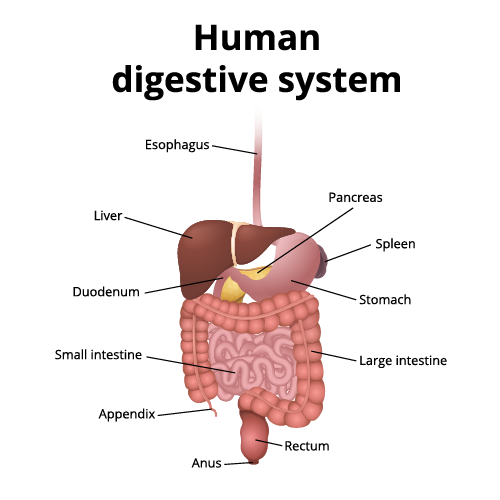
Gastrointestinal science is the study of normal functions and disorders related to the digestive tract. Sometimes it is also called gut health science. It is very important to take good care of your digestive system as it is directly related to your general health and well-being. Some common symptoms of poor digestive health are bleeding, bloating, constipation, diarrhoea, dyspepsia (indigestion), flatulence (gas), heartburn, pain, nausea and vomiting. Have a look at various digestive system organs in the image below:
In gastrointestinal science, we learn about gut microbiomes, gut health, ways to improve digestive health and treatment for various types of common digestive conditions.
What Are Microbiomes and Why Are They Important?
Microbiomes are microscopic living beings such as bacteria, viruses, fungi, and other microscopic organisms in the human body. There are trillions of these microbiomes in our body found mainly in the digestive tract. While some bacteria are associated with diseases, others are vital to your immune system, heart, weight, and a variety of other health factors. They are extremely important for overall health and well-being. They:
-
Affect your weight
A person can gain weight if there is an imbalance between healthy and unhealthy microbes (gut dysbiosis).
-
Can cause intestinal diseases
Unhealthy gut microbes can cause various intestinal diseases like irritable bowel syndrome (IBS) and inflammatory bowel disease (IBD).
-
Benefit heart health
Gut microbiomes may even affect your heart health. They play an important role in promoting “good” HDL cholesterol and triglycerides.
-
Help control blood sugar and lower the risk of diabetes
Research has proved that gut microbes can help control blood sugar and prevent the onset of type 1 and type 2 diabetes.
-
Affect brain health
Gut microbes can play an important role in maintaining and improving a healthy brain. They help control the messages that are sent to the brain through nerves and thereby ensure that the brain functions normally.
Symptoms of Gastrointestinal Diseases
Gastrointestinal or digestive diseases are disorders of the digestive tract. Most of the time, the following symptoms are the first indication of digestive tract disorders:
-
Bleeding in stool
-
Bloating
-
Constipation
-
Dyspepsia or indigestion
-
Diarrhoea
-
Heartburn
-
Incontinence
-
Stomachache
-
Problems in swallowing
-
Weight gain/loss
Gastrointestinal Disorders
There are two types of gastrointestinal diseases: functional and structural. Let’s see each one in detail and understand the major differences between the two.
-
Functional gastrointestinal diseases
Functional diseases are those in which the GI tract appears normal but does not move properly. They are the most common gastrointestinal issues (including the colon and rectum). Common examples are constipation, irritable bowel syndrome (IBS), nausea, food poisoning, gas, bloating, GERD and diarrhoea.
-
Structural gastrointestinal diseases
Structural diseases are those in which your bowel appears abnormal and does not function properly. Common examples are strictures, stenosis, haemorrhoids, diverticular disease, colon polyps, colon cancer and inflammatory bowel disease.
Some major diseases and conditions associated with the digestive tract are discussed below:
1. Gastrointestinal Bleeding
Gastrointestinal bleeding is a condition in which blood appears in stool or vomit. The bleeding is sometimes not visible but it results in stool getting black or tarry. Excessive bleeding can be life-threatening. We recommend you go to a doctor immediately if you see blood in your stool, especially if the colour of the blood has become maroon or dark. Gastrointestinal bleeding can be of 2-3 types:
-
Red-colour blood
Happens because of bleeding in the lower part of the colon. It generally appears due to piles or fissures. In some cases, it might be coming because of cancer or polyp in other body parts.
-
Maroon or brown colour
Maroon-coloured blood comes out with stool. This condition is commonly known as hematochezia. It generally happens because of abnormalities in the transverse or ascending colon.
-
Black colour
Also known as melena, this condition happens because of some ulcer in the upper part of the gastrointestinal tract (GI).
2. Gastrointestinal Cancer
Any cancer that develops along the GI tract is referred to as gastrointestinal cancer. It can occur in the stomach, large and small intestine, pancreas, colon, liver, rectum, anus, gall bladder and biliary system. The symptoms of GI cancer don’t appear in the initial stage, hence it becomes more dangerous. In the later stages of GI cancer, these symptoms may be observed in patients:
-
Cramping or pain in the abdomen
-
Dark stool with blood
-
Frequent diarrhoea, constipation, and dyspepsia
-
Changes in consistency or narrowing of the stool
-
Difficulty swallowing and digesting
-
Jaundice (yellowing of the eyes and skin)
-
Nausea and vomiting
-
Abdominal swelling
-
Tiredness, weakness, weight loss, or loss of appetite
Dr Monika Gupta, Consultant - Gastrointestinal Surgery, Manipal Hospitals Jaipur says that there are more patients coming now with cancer in the gastrointestinal tract as the diagnosis and detection technique has improved in recent years. She further explains that the tumours increase in size with time and require advanced machines and highly experienced medical teams for correct diagnosis and treatments.
3. Liver Cirrhosis
Modern lifestyle, infections, alcohol, and viruses, all have a very deadly effect on our body and the biggest effect is the damage to the liver. Initially, all these things cause inflammation in the liver, called fatty liver. As the injury continues, an increase in inflammation leads to an increase in stiffness of the liver which in turn causes irreversible scarring thereby causing liver shrinkage which we know as liver cirrhosis.
Dr Lovkesh Anand, Consultant - Medical Gastroenterology & Hepatology, Manipal Hospitals, Delhi says that liver cirrhosis is irreversible damage to the liver which cannot be normalized again. Therefore, if we evaluate and diagnose the patient in the early stages and treat the condition, it is possible to prevent irreversible damage and cirrhosis. Fibroscan is the latest technique to diagnose cirrhosis.
4. Irritable Bowel Syndrome
It is an intestinal disorder that causes pain, diarrhoea, and constipation. Irritable bowel syndrome is caused due to intestinal contractions, stomach infections from certain foods, or changes in intestinal microbes.
It generally occurs in young people and children. However, this disorder can also happen in people having mental health issues such as anxiety and depression.
Patients should see a doctor immediately if they notice a constant change in bowel habits, persistent stomach pain, or unexplained weight loss.
5. Hiatal Hernia
A hiatal hernia occurs when the muscle that separates your chest from your abdomen, aka, the diaphragm, allows part of your stomach to protrude into it. You should immediately consult a doctor if you see bulges in the abdominal area or where you previously had surgeries.
It is diagnosed clinically, however, ultrasound is the most common method to detect hernia. Learn about various myths and facts about hernia from Dr Amit Deepta Goswami, Consultant - General Surgery, Manipal Hospitals Gurugram.
6. Haemorrhoids
Haemorrhoids, often known as piles, are swollen veins in the lower rectum and anus that resemble varicose veins. There are two types of haemorrhoids - internal haemorrhoids (develop inside the rectum) and external haemorrhoids (develop under the skin around the anus). Symptoms of haemorrhoids are itching or irritation in the anal region, pain or discomfort while sitting, bleeding and swelling or hard lumps near your anus.
Patients should consult a doctor if they have bleeding during bowel movements or haemorrhoids that don't improve after a week of home care. In some cases, it might be an indication of a tumour.
Get more information on haemorrhoids from Dr Vinay A V, Consultant - General Surgery, Manipal Hospitals, Malleshwaram
Treatments and Procedures for Gastrointestinal Diseases
To diagnose gastrointestinal disorders, doctors take a thorough and accurate medical history of patients along with the symptoms. In addition to that, diagnostic tests for digestive disease are also done through physical means. In some cases, doctors may recommend extensive diagnostic evaluation including lab tests, imaging tests, and/or endoscopic procedures. Visit Manipal Hospitals for Gastrointestinal Disease Treatment in Bangalore.
Some of the advanced procedures for the treatment of gastroenterological disorders are:
-
ESD
ESD stands for Endoscopic Submucosal Dissection. It’s a procedure which is performed to remove benign, premalignant and malignant tumours in the gastrointestinal tract. The advantage of this procedure is that it is less expensive, less invasive, less morbidity and it’s a daycare procedure done under general anaesthesia.
-
Endoscopic Ultrasound
In this procedure, a flexible tube (endoscope) that has a light and camera attached to it is injected through the throat to diagnose and detect various diseases related to the gastrointestinal tract. The tip of the endoscope has an ultrasound probe attached to it that provides doctors with images of any tumours or scars in the tract. With the help of endoscopic ultrasound, doctors diagnose oesophagal tumours, oesophagal diseases, stomach diseases, early gastric cancer, various submucosal lesions of the stomach, duodenal lesions, etc. In addition to that, it is very useful for detecting biliary and pancreatic tumours and lesions like bile duct cancer, pancreatic cancer, and pancreatic cysts. It is nowadays used for both diagnostic and therapeutic purposes.
-
Manometry
A test called manometry is performed to detect issues with pressure and movement in the oesophagus. Manometry gauges the oesophageal muscles' flexibility and strength during swallowing.
-
ERCP
Endoscopic Retrograde Cholangiopancreatography, also known as ERCP, is a method for diagnosing and treating specific issues with the biliary or pancreatic ductal systems that combine the use of endoscopy and fluoroscopy.
-
Hydrogen Breath Test
In order to identify small intestine bacterial overgrowth and glucose/lactose malabsorption, a test called hydrogen breath test is done on patients.
-
Colonoscopy
A colonoscopy is a gastroenterology care procedure that helps doctors look into your big intestine. It is generally used to detect changes or abnormalities in the large intestine/colon and rectum. Colonoscopy can be performed to screen for polyps and potential indicators of colon cancer, as well as to check for symptoms like bleeding.
How to Improve Your Gut Health?
Now that you know about various disorders and conditions related to the gastrointestinal tract, let’s see how you can improve your gut health. As we know, there are billions of microbes living in the GI tract, some are good for us while some cause diseases. Our goal should be to increase the count of healthy microbes and decrease the count of disease-causing microbes. There are many factors on which the bacteria population in your GI tract depends, including the kind of food you eat. Here are some ways to improve your gut health naturally.
-
Eat a variety of foods
A diversified microbiome is seen as beneficial. This is because the more bacterial species you have, the more health benefits they may be able to provide. A more varied microbiome can result from a diet that includes a variety of foods.
-
Eat fermented foods
Foods that undergo fermentation contain a variety of healthy bacteria. Some common examples of fermented foods are yoghurt, apple cider vinegar, pickles, fermented vegetables, etc.
-
Eat whole grains
Whole grains are high in fibre and complex carbohydrates like beta-glucan. To encourage the development of healthy bacteria in the gut, these carbohydrates travel to the large intestine rather than being absorbed in the small intestine.
-
Eat polyphenols-rich foods
Plant substances called polyphenols have several health advantages, such as lowering blood pressure, inflammation, cholesterol levels, and oxidative stress. Consume foods that are rich in polyphenols such as green tea, onions, almonds, blueberries, broccoli, cocoa and dark chocolate, etc.
Department of Gastrointestinal Science
Manipal Hospitals
Gastrointestinal science is the study of normal functions and disorders related to the digestive tract. Sometimes it is also called gut health science. It is very important to take good care of your digestive system as it is directly related to your general health and well-being. Some common symptoms of poor digestive health are bleeding, bloating, constipation, diarrhoea, dyspepsia (indigestion), flatulence (gas), heartburn, pain, nausea and vomiting. Have a look at various digestive system organs in the image below:
In gastrointestinal science, we learn about gut microbiomes, gut health, ways to improve digestive health and treatment for various types of common digestive conditions.
Microbiomes are microscopic living beings such as bacteria, viruses, fungi, and other microscopic organisms in the human body. There are trillions of these microbiomes in our body found mainly in the digestive tract. While some bacteria are associated with diseases, others are vital to your immune system, heart, weight, and a variety of other health factors. They are extremely important for overall health and well-being. They:
A person can gain weight if there is an imbalance between healthy and unhealthy microbes (gut dysbiosis).
Unhealthy gut microbes can cause various intestinal diseases like irritable bowel syndrome (IBS) and inflammatory bowel disease (IBD).
Gut microbiomes may even affect your heart health. They play an important role in promoting “good” HDL cholesterol and triglycerides.
Research has proved that gut microbes can help control blood sugar and prevent the onset of type 1 and type 2 diabetes.
Gut microbes can play an important role in maintaining and improving a healthy brain. They help control the messages that are sent to the brain through nerves and thereby ensure that the brain functions normally.
Gastrointestinal or digestive diseases are disorders of the digestive tract. Most of the time, the following symptoms are the first indication of digestive tract disorders:
-
Bleeding in stool
-
Bloating
-
Constipation
-
Dyspepsia or indigestion
-
Diarrhoea
-
Heartburn
-
Incontinence
-
Stomachache
-
Problems in swallowing
-
Weight gain/loss
There are two types of gastrointestinal diseases: functional and structural. Let’s see each one in detail and understand the major differences between the two.
Functional diseases are those in which the GI tract appears normal but does not move properly. They are the most common gastrointestinal issues (including the colon and rectum). Common examples are constipation, irritable bowel syndrome (IBS), nausea, food poisoning, gas, bloating, GERD and diarrhoea.
Structural diseases are those in which your bowel appears abnormal and does not function properly. Common examples are strictures, stenosis, haemorrhoids, diverticular disease, colon polyps, colon cancer and inflammatory bowel disease.
Some major diseases and conditions associated with the digestive tract are discussed below:
Gastrointestinal bleeding is a condition in which blood appears in stool or vomit. The bleeding is sometimes not visible but it results in stool getting black or tarry. Excessive bleeding can be life-threatening. We recommend you go to a doctor immediately if you see blood in your stool, especially if the colour of the blood has become maroon or dark. Gastrointestinal bleeding can be of 2-3 types:
-
Red-colour blood
Happens because of bleeding in the lower part of the colon. It generally appears due to piles or fissures. In some cases, it might be coming because of cancer or polyp in other body parts.
-
Maroon or brown colour
Maroon-coloured blood comes out with stool. This condition is commonly known as hematochezia. It generally happens because of abnormalities in the transverse or ascending colon.
-
Black colour
Also known as melena, this condition happens because of some ulcer in the upper part of the gastrointestinal tract (GI).
Any cancer that develops along the GI tract is referred to as gastrointestinal cancer. It can occur in the stomach, large and small intestine, pancreas, colon, liver, rectum, anus, gall bladder and biliary system. The symptoms of GI cancer don’t appear in the initial stage, hence it becomes more dangerous. In the later stages of GI cancer, these symptoms may be observed in patients:
-
Cramping or pain in the abdomen
-
Dark stool with blood
-
Frequent diarrhoea, constipation, and dyspepsia
-
Changes in consistency or narrowing of the stool
-
Difficulty swallowing and digesting
-
Jaundice (yellowing of the eyes and skin)
-
Nausea and vomiting
-
Abdominal swelling
-
Tiredness, weakness, weight loss, or loss of appetite
Dr Monika Gupta, Consultant - Gastrointestinal Surgery, Manipal Hospitals Jaipur says that there are more patients coming now with cancer in the gastrointestinal tract as the diagnosis and detection technique has improved in recent years. She further explains that the tumours increase in size with time and require advanced machines and highly experienced medical teams for correct diagnosis and treatments.
Modern lifestyle, infections, alcohol, and viruses, all have a very deadly effect on our body and the biggest effect is the damage to the liver. Initially, all these things cause inflammation in the liver, called fatty liver. As the injury continues, an increase in inflammation leads to an increase in stiffness of the liver which in turn causes irreversible scarring thereby causing liver shrinkage which we know as liver cirrhosis.
Dr Lovkesh Anand, Consultant - Medical Gastroenterology & Hepatology, Manipal Hospitals, Delhi says that liver cirrhosis is irreversible damage to the liver which cannot be normalized again. Therefore, if we evaluate and diagnose the patient in the early stages and treat the condition, it is possible to prevent irreversible damage and cirrhosis. Fibroscan is the latest technique to diagnose cirrhosis.
It is an intestinal disorder that causes pain, diarrhoea, and constipation. Irritable bowel syndrome is caused due to intestinal contractions, stomach infections from certain foods, or changes in intestinal microbes.
It generally occurs in young people and children. However, this disorder can also happen in people having mental health issues such as anxiety and depression.
Patients should see a doctor immediately if they notice a constant change in bowel habits, persistent stomach pain, or unexplained weight loss.
A hiatal hernia occurs when the muscle that separates your chest from your abdomen, aka, the diaphragm, allows part of your stomach to protrude into it. You should immediately consult a doctor if you see bulges in the abdominal area or where you previously had surgeries.
It is diagnosed clinically, however, ultrasound is the most common method to detect hernia. Learn about various myths and facts about hernia from Dr Amit Deepta Goswami, Consultant - General Surgery, Manipal Hospitals Gurugram.
Haemorrhoids, often known as piles, are swollen veins in the lower rectum and anus that resemble varicose veins. There are two types of haemorrhoids - internal haemorrhoids (develop inside the rectum) and external haemorrhoids (develop under the skin around the anus). Symptoms of haemorrhoids are itching or irritation in the anal region, pain or discomfort while sitting, bleeding and swelling or hard lumps near your anus.
Patients should consult a doctor if they have bleeding during bowel movements or haemorrhoids that don't improve after a week of home care. In some cases, it might be an indication of a tumour.
Get more information on haemorrhoids from Dr Vinay A V, Consultant - General Surgery, Manipal Hospitals, Malleshwaram
To diagnose gastrointestinal disorders, doctors take a thorough and accurate medical history of patients along with the symptoms. In addition to that, diagnostic tests for digestive disease are also done through physical means. In some cases, doctors may recommend extensive diagnostic evaluation including lab tests, imaging tests, and/or endoscopic procedures. Visit Manipal Hospitals for Gastrointestinal Disease Treatment in Bangalore.
Some of the advanced procedures for the treatment of gastroenterological disorders are:
ESD stands for Endoscopic Submucosal Dissection. It’s a procedure which is performed to remove benign, premalignant and malignant tumours in the gastrointestinal tract. The advantage of this procedure is that it is less expensive, less invasive, less morbidity and it’s a daycare procedure done under general anaesthesia.
In this procedure, a flexible tube (endoscope) that has a light and camera attached to it is injected through the throat to diagnose and detect various diseases related to the gastrointestinal tract. The tip of the endoscope has an ultrasound probe attached to it that provides doctors with images of any tumours or scars in the tract. With the help of endoscopic ultrasound, doctors diagnose oesophagal tumours, oesophagal diseases, stomach diseases, early gastric cancer, various submucosal lesions of the stomach, duodenal lesions, etc. In addition to that, it is very useful for detecting biliary and pancreatic tumours and lesions like bile duct cancer, pancreatic cancer, and pancreatic cysts. It is nowadays used for both diagnostic and therapeutic purposes.
A test called manometry is performed to detect issues with pressure and movement in the oesophagus. Manometry gauges the oesophageal muscles' flexibility and strength during swallowing.
Endoscopic Retrograde Cholangiopancreatography, also known as ERCP, is a method for diagnosing and treating specific issues with the biliary or pancreatic ductal systems that combine the use of endoscopy and fluoroscopy.
In order to identify small intestine bacterial overgrowth and glucose/lactose malabsorption, a test called hydrogen breath test is done on patients.
A colonoscopy is a gastroenterology care procedure that helps doctors look into your big intestine. It is generally used to detect changes or abnormalities in the large intestine/colon and rectum. Colonoscopy can be performed to screen for polyps and potential indicators of colon cancer, as well as to check for symptoms like bleeding.
Now that you know about various disorders and conditions related to the gastrointestinal tract, let’s see how you can improve your gut health. As we know, there are billions of microbes living in the GI tract, some are good for us while some cause diseases. Our goal should be to increase the count of healthy microbes and decrease the count of disease-causing microbes. There are many factors on which the bacteria population in your GI tract depends, including the kind of food you eat. Here are some ways to improve your gut health naturally.
A diversified microbiome is seen as beneficial. This is because the more bacterial species you have, the more health benefits they may be able to provide. A more varied microbiome can result from a diet that includes a variety of foods.
Foods that undergo fermentation contain a variety of healthy bacteria. Some common examples of fermented foods are yoghurt, apple cider vinegar, pickles, fermented vegetables, etc.
Whole grains are high in fibre and complex carbohydrates like beta-glucan. To encourage the development of healthy bacteria in the gut, these carbohydrates travel to the large intestine rather than being absorbed in the small intestine.
Plant substances called polyphenols have several health advantages, such as lowering blood pressure, inflammation, cholesterol levels, and oxidative stress. Consume foods that are rich in polyphenols such as green tea, onions, almonds, blueberries, broccoli, cocoa and dark chocolate, etc.
Department of Gastrointestinal Science
Manipal Hospitals
Share this Article


Recent Blogs

Test blog - oct 1
01 Oct 20267 Min Read
Understanding Insulin Resistance: A Core Concept Insulin is a vital hormone In the intricate landscape of women's health, certain conditions often go unnoticed until they manifest into more significant concerns. One such silent yet powerful player is insulin resistance. It's a condition where your body's cells don't respond effectively to insulin, leading to elevated blood sugar levels. For many women, understanding the early insulin resistance symptoms in females can be a game-changer, enabling timely intervention and preventing a cascade of health issues. In this blog, an experienced gynaecologist in Mysuru explains in detail the nuances of insulin resistance in women, highlighting the crucial early signs you should be aware of. Recognising these signs of insulin resistance in females is the first step towards taking control of your health journey. it. For women, the prevalence can be even higher, particularly in certain life stages or conditions. Causes of Insulin Resistance in Women While insulin resistance can affect anyone, women face unique physiological factors that can increase their susceptibility: Lifestyle Tips for Long-Term Liver Health The table below lists straightforward lifestyle tips to support lasting liver health and avoid extra damage. ljfslsdjksnfs3333333TestingTestingTestingTestingTestingTestingTestingTestingTestingTestingTestingTestingTestingTestingTestingTestingTestingTestingTestingTestingTestingTestingTestingTestingTestingTestingTestingTestingTestingTestingTestingTestingTestingTestingTestingTestingTestingTestingTestingTestingTesting uiuiiuhghhjTip Description Avoid processed and fried foods Reduces excess fat intake and supports better liver function Include antioxidant-rich foods Fruits and vegetables help protect liver cells from damage Stay physically active Regular exercise improves metabolism and reduces fat accumulation in the liver Monitor weight regularly Helps in maintaining a healthy weight and preventing fat buildup Schedule routine health check-ups Enables early detection and management of liver-related issues These habits support long-term recovery and reduce the risk of future fatty liver problems.
Read NowTypes of Nerve Injury: Causes, Symptoms & Recovery Guide
24 Sept 20260 Min Read
Nerve injuries happen when a nerve is pinched, stretched, cut or damaged. These injuries can cause numbness, tingling, or sharp pain.
Read Nowtesting admin blogs
20 Sept 20262 Min Read
dislocated-hip-symptoms test https://manipaltest.cosmicnet.xyz/referral-program/
Read NowDislocated Hip: Understanding Symptoms, Causes, and Treatment Options
26 Aug 20265 Min Read
A dislocated hip is a severe injury that occurs when the head of the thigh bone (femur) is forced out of the hip socket (acetabulum). This traumatic event can be incredibly painful and immediately incapacitating, requiring urgent medical attention. This blog explores the symptoms, causes, diagnosis, and treatment of hip dislocation with expert insights from specialists at Manipal Hospitals, a top orthopaedic hospital in Vijayawada, offering comprehensive hip dislocation treatment in Vijayawada to help patients achieve the best possible recovery. Understanding the signs, causes, and available treatment options is crucial for anyone who has experienced or knows someone who has experienced this injury. Early intervention is key to preventing long-term complications and ensuring a successful recovery.
Read NowFluttering in Chest: Causes, Symptoms & When to See a Doctor
26 Jun 20266 Min Read
A sudden, strange tapping, flipping or thumping inside your chest can be highly unsettling. This feeling can match the sensation of a brief skipped beat or a sudden twitch. This sensation is commonly known as a fluttering chest. While a fluttering feeling in the chest can be alarming and cause your anxiety to spike, it is actually a very common experience. In many cases, it is harmless. However, in some cases, it points to an underlying medical issue that needs attention.
Read Now10 Warning Signs of an Unhealthy Gut You Must Not Ignore
26 Jun 20266 Min Read
Your gut does much more than digest food. It plays a key role in your energy levels, immune system, mood, and overall well-being. When your gut is healthy, your body works smoothly. But when something is wrong, your body often sends warning signals. Unfortunately, many people ignore these signs or assume they are caused by stress, lack of sleep, or a busy lifestyle. Recognising the early signs of poor gut health can help you make changes before the problem becomes worse. Here are 10 signs of an unhealthy gut that you should never ignore.
Read NowWhat Creatinine Level Indicates Kidney Failure? Doctors Explain
22 Jun 20266 Min Read
Creatinine is a waste product produced by your muscles every day. Healthy kidneys remove it from the blood and pass it out through urine. When the kidneys are not working properly, creatinine can build up in the bloodstream. Seeing a high creatinine level in your blood test report can be working. Many people immediately think it's kidney failure. However, creatinine levels alone do not tell the whole story. Doctors look at several factors, including your age, overall health, and kidney function tests, before determining how well your kidneys are working.
Read NowStomach Cancer Lump: What It Feels Like & When to See a Doctor
22 Jun 20267 Min Read
Finding an unusual bump or swelling on your body can be alarming. If you notice a change in your tummy, it is completely natural to feel a wave of anxiety and wonder what it might mean. One thought that might cross your mind is whether it could be a stomach cancer lump. Feeling concerned is completely valid, but it helps to know that most abdominal changes may have very simple explanations. Understanding what to look for can help quiet some of that worry.
Read NowUnderstanding CT scan and its role in cancer detection.
15 Jun 20268 Min Read
When doctors suspect a serious health condition, imaging tests often play a crucial role in diagnosis. One of the most used imaging tools is a computed tomography (CT) scan. A CT scan provides detailed cross-sectional images of the body`s organs, tissues, and blood vessels. These images can reveal abnormalities that may indicate the presence of cancer. However, understanding what a CT scan can and cannot do is important for accurate diagnosis and treatment planning. However, can a CT scan detect cancer? A CT scan is extremely important in detecting cancer, but it is not always definitive on its own
Read NowTypes of Nerve Injury: Causes, Symptoms & Recovery Guide
15 Jun 20266 Min Read
Nerve injuries happen when a nerve is pinched, stretched, cut or damaged. These injuries can cause numbness, tingling, or sharp pain. Nerves are cords that carry electrical signals from your brain and spinal cord (central nervous system) to the rest of your body and vice versa. These signals allow you to move your muscles and feel sensations like touch and temperature. When a nerve is damaged, these signals are disrupted.
Read Now