


Indian Diet Plans for Pregnancy: A Comprehensive Overview
Reviewed by: Manipal Hospitals
Posted on
8 Min Read

Not sure what you’re looking for?
Get in touch with our representatives for help!
Contact UsAre you expecting a little one? Congratulations! As you embark on this beautiful journey, one of the most important things you can do for both your health and your baby’s development is to nurture your body with the right foods. The right pregnancy diet plan not only fuels you with the energy you need but also supports the growth and well-being of your baby.
In India, we are blessed with a rich and diverse culinary tradition, packed with delicious and nutritious options perfect for every stage of pregnancy. Whether you're a first-time mom or have been through this before, navigating the world of pregnancy nutrition can be overwhelming. But don't worry – we’ve got you covered! In this blog, we’ll walk you through a trimester-wise Indian diet plan that’s easy to follow, full of flavours, and designed to give you and your baby all the nutrients you need for a healthy pregnancy. Plus, we’ll touch upon diet plans after pregnancy, including postpartum weight loss programs and tips for a weight gain diet plan if needed.
So, whether you’re craving a warm bowl of khichdi, looking to spice up your meals with healthy veggies, or wondering what superfoods to add to your plate, this guide will help you make informed choices. Let’s make your pregnancy journey as healthy, joyful, and delicious as possible – for both you and your growing baby.
Foods and Beverages to Eat During Pregnancy: Nourishing Your Body and Baby
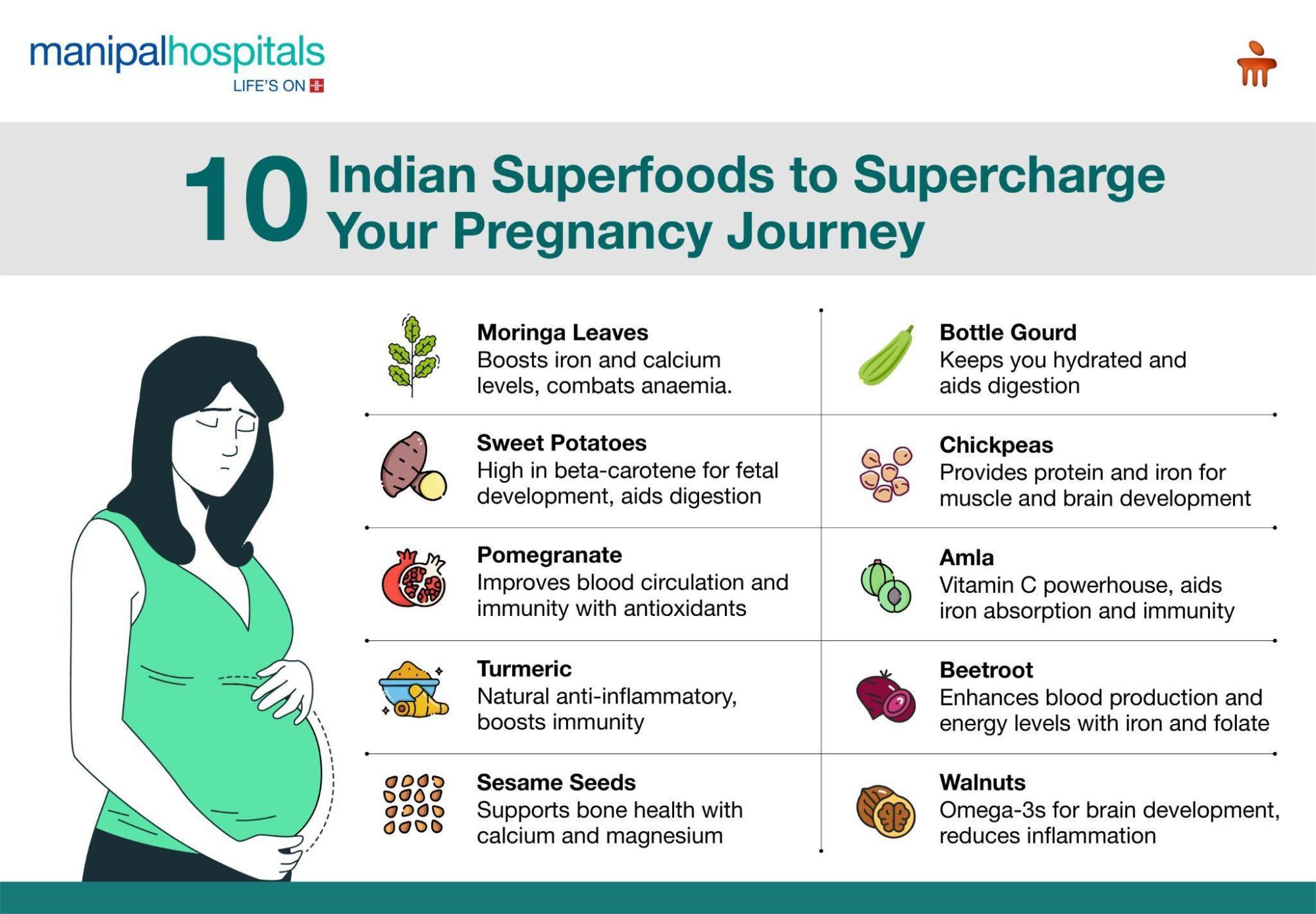
During pregnancy, what you eat plays a vital role in your health and your baby’s growth. A well-balanced diet ensures you get the right nutrients to support your changing body and provides the building blocks for your baby’s development. In Indian cuisine, there is a rich variety of foods and beverages that are both nutritious and comforting. Let’s take a closer look at the key foods and drinks you should include in your pregnancy diet to ensure both you and your little one stay healthy and happy.
More Reads: 10 Tips For Healthy Pregnancy
1. Fruits and Vegetables: Nature’s Nutrient Powerhouses
Fruits and vegetables are packed with vitamins, minerals, and fibre, all essential for a healthy pregnancy. The high fibre content helps prevent constipation, a common issue during pregnancy, while vitamins like A and C support your immune system.
-
Leafy Greens: Spinach, fenugreek leaves (methi), and mustard greens (sarson) are rich in folate, which is essential for fetal development, particularly in the early stages.
-
Citrus Fruits: Oranges, lemons, and grapefruits provide a rich source of Vitamin C, boosting immunity and helping with the absorption of iron.
-
Berries and Apples: These fruits are high in antioxidants and fibre, making them great for digestion and overall health.
-
Bananas: An excellent source of potassium, bananas help manage blood pressure and prevent leg cramps, which are common during pregnancy.
2. Protein-Rich Foods: Building Blocks for Your Baby
Protein is essential for the development of your baby’s organs and tissues. It also helps in maintaining your muscle strength and energy levels.
-
Dal (Lentils): A staple in Indian diets, lentils like moong dal, toor dal, and masoor dal provide a great plant-based source of protein and fibre.
-
Eggs: Rich in protein and essential fats, eggs are an excellent choice for healthy pregnancy meals.
-
Chicken and Fish: Lean meats like chicken and fish (such as salmon or mackerel) provide high-quality protein and omega-3 fatty acids, which are important for the development of your baby’s brain.
-
Paneer: A great vegetarian source of protein, calcium, and fat, paneer can be included in your meals through curries, sandwiches, or even snacks.
More Reads: Preparing for Pregnancy: A Checklist for First-Time Mothers
3. Whole Grains: Sustained Energy for You
Whole grains provide the necessary carbs for energy and fibre for healthy digestion. They are also packed with B vitamins, iron, and magnesium.
-
Brown Rice: A healthier alternative to white rice, brown rice is rich in fibre and helps with blood sugar control.
-
Quinoa: This high-protein grain is a great substitute for rice or wheat-based products and contains all nine essential amino acids.
-
Oats: A quick and easy breakfast of oats is high in fibre and can help regulate blood sugar levels and promote good digestion.
-
Chapati or Paratha: Whole wheat chapatis or parathas made with ghee are a wholesome and filling option.
4. Dairy Products: Bone Health and Strong Immunity
Dairy products are packed with calcium and Vitamin D, which are essential for the development of your baby’s bones and teeth. They also support your immune system and provide protein.
-
Milk: Full-fat or skim milk is an excellent source of calcium and protein, which are vital during pregnancy.
-
Yoghurt: Rich in probiotics, yoghurt helps with digestion and boosts immunity. It’s also an excellent source of calcium.
-
Cheese: Hard cheeses like cheddar or paneer are high in calcium and protein. Make sure to choose pasteurized varieties to avoid any risks.
5. Healthy Fats: Essential for Baby’s Brain Development
Healthy fats are essential for your baby’s brain and eye development. They also help with nutrient absorption and provide long-lasting energy.
-
Ghee: Used in many Indian dishes, ghee is rich in healthy fats and aids in digestion and nutrient absorption.
-
Nuts and Seeds: Almonds, walnuts, chia seeds, and flaxseeds provide omega-3 fatty acids, fibre, and protein, which are great for both you and your baby’s brain health.
-
Coconut: Both fresh and dried coconut is a rich source of healthy fats and can be incorporated into curries, and smoothies, or eaten as a snack.
6. Hydration: Keep Yourself and Baby Well-Hydrated
Staying hydrated during pregnancy is crucial as it supports amniotic fluid levels, digestion, and overall well-being. Make sure to drink plenty of fluids throughout the day.
-
Water: The best and simplest way to stay hydrated. Aim for at least 8-10 glasses a day.
-
Coconut Water: A natural source of electrolytes, coconut water helps with hydration and is great for replenishing lost fluids.
-
Buttermilk: A common drink in Indian households, buttermilk is not only hydrating but also aids in digestion and prevents acidity.
-
Fresh Juices: Freshly squeezed juices made from fruits like oranges, pomegranate, or carrots provide essential vitamins and are a tasty way to stay hydrated.
More Reads: Coconut Water During Pregnancy Myths And Facts
Iron is crucial during pregnancy to help produce more blood for both you and your baby. A lack of iron can lead to anaemia, which can cause fatigue and complications.
-
Spinach and Fenugreek Leaves: Rich in non-heme iron, these leafy greens can be cooked into soups, stews, or curries.
-
Dates: Dates are an excellent source of iron and provide a quick energy boost, making them ideal for snacks.
-
Lentils and Chickpeas: These legumes are packed with iron and can be incorporated into a variety of dishes, including soups, curries, and salads
Foods and Beverages to Avoid During Pregnancy
Here’s a list of foods and beverages to exclude from your diet during pregnancy to ensure the health of both you and your baby:
-
Raw or Undercooked Meats and Seafood: Sushi, raw oysters, undercooked steaks, burgers, and deli meats to avoid the risk of harmful bacteria and parasites such as Salmonella and Toxoplasmosis.
-
Unpasteurized Dairy Products: Unpasteurized milk, and cheeses like brie, camembert, and blue cheese to avoid exposure to listeria and harmful bacteria.
-
High-Mercury Fish: Sharks, swordfish, king mackerel, and tilefish reduce the risk of mercury poisoning, which can affect your baby’s brain development.
-
Excessive Caffeine: Strong coffee, energy drinks, and caffeinated sodas to avoid excessive caffeine intake, which can increase the risk of miscarriage and low birth weight.
-
Alcohol: Any form of alcohol, including wine, beer, and spirits, can cause developmental issues and fetal alcohol spectrum disorders.
-
Raw or Undercooked Eggs: Raw eggs in homemade mayonnaise, mousse, and soft-boiled eggs to prevent Salmonella infections.
-
Unwashed Fruits and Vegetables: Raw, unwashed fruits and vegetables, particularly leafy greens, to eliminate the risk of harmful bacteria like Toxoplasma and Listeria.
-
Processed Junk Foods: Packaged snacks, fast food, sugary desserts, and overly processed meals to avoid excessive salt, sugar, and unhealthy fats that may contribute to gestational diabetes and excessive weight gain.
-
Excessive Salt and Sugar: High-sodium foods, sugary drinks, and snacks to prevent high blood pressure and gestational diabetes.
-
Certain Herbal Teas and Supplements: Herbal teas like peppermint, chamomile, and raspberry leaf unless approved by your healthcare provider, as they may trigger uterine contractions or interfere with medications.
-
Artificial Sweeteners: Aspartame, saccharin, and sucralose are found in many "sugar-free" products to avoid potentially harmful effects on your pregnancy.
Consult our gynaecologists if you need to know about foods and beverages to avoid during pregnancy.Regular prenatal health check-ups, including blood tests, blood pressure monitoring, and nutrient level assessments, help track the mother’s health and support the baby’s healthy development throughout pregnancy.
More Reads: Tips To Reduce The Risk Of Birth Defects
Healthy Bites for Every Trimester: Your Indian Pregnancy Diet Guide
|
Trimester |
Foods to Include |
Why It’s Important |
|
First Trimester (Weeks 1–12) |
Protein: Lentils, tofu, paneer, eggs, chicken Fruits: Oranges, pomegranates, apples Vegetables: Spinach, carrots, sweet potatoes Whole Grains: Oats, brown rice, whole wheat roti Dairy: Milk, yoghurt, paneer |
Supports the early development of the baby’s organs. Helps manage morning sickness with vitamin C-rich fruits. Boosts energy with whole grains and iron-rich foods. |
|
Second Trimester (Weeks 13–26) |
Protein: Chicken, fish, legumes, nuts, eggs Fruits: Bananas, berries, guavas Vegetables: Broccoli, bottled gourd, bell peppers Whole Grains: Quinoa, brown rice, wheat chapati Healthy Fats: Avocados, almonds, flaxseeds |
Encourages growth and muscle development for both mother and baby. Rich in fibre for digestion and preventing constipation. Supports brain development with omega-3-rich foods like fish and flaxseeds. |
| Third Trimester (Weeks 27–40) |
Protein: Legumes, chicken, fish, dal, eggs Fruits: Apples, pomegranates, dates Vegetables: Kale, pumpkin, zucchini Whole Grains: Brown rice, multigrain roti, quinoa Dairy: Curd, milk, paneer, buttermilk Iron-Rich Foods: Spinach, chickpeas, dates |
Supports baby’s rapid growth and weight gain. Helps prepare for labour with energy-rich foods. Maintains healthy iron levels to prevent anaemia in the mother and promote blood circulation |
Post-Pregnancy Diet and Weight Management
After delivery, focusing on nutrition is just as crucial for recovery and breastfeeding. Consider incorporating a post-pregnancy weight loss program or a weight loss diet plan for women tailored to your needs.
-
Postpartum Weight Loss Program: Emphasize whole grains, lean proteins, and healthy fats. Incorporate gentle exercises to complement your diet.
-
Weight Gain Diet Plan: If you need to regain strength, include calorie-dense and nutrient-rich foods like ghee, paneer, nuts, and avocados.
Consult our gynaecology hospital if you need the best diet plan for weight loss after pregnancy.
More Reads: All About Weight Gain During Pregnancy
Frequently Asked Questions
Focus on protein (lentils, paneer, eggs), vitamin-rich fruits (oranges, pomegranates), leafy greens (spinach), and whole grains (oats, brown rice). Stay hydrated and avoid spicy, oily foods.
Avoid raw/undercooked meats, unpasteurized dairy, high-mercury fish, caffeine, alcohol, and street food to prevent infections and complications.
Include a variety of proteins, fruits, vegetables, whole grains, and healthy fats. Focus on iron (spinach, chickpeas) and calcium-rich foods for a balanced diet.
Iron-rich foods like spinach, lentils, chickpeas, dates, and fortified cereals are great for boosting iron levels
It’s best to avoid street food, as it may be contaminated with bacteria. Always opt for fresh, home-cooked meals to ensure food safety.
Share this Article


Similar Blogs

Heart Diseases and The Need For Advance Care
1 Min Read
Discover expert insights on heart diseases and the need for advance care from Manipal Hospitals' specialists.
Read NowKnow How to Detect Cancer in Early Stages and Save Lives
1 Min Read
When cells in your body divide at a faster rate than normal, it can lead to a disease called cancer. These abnormal cells can grow into a lump or tumour. If not treated properly and on time, these cells can spread to other parts of the body and can be deadly. Thus, cancer detection at early stages is very important for proper treatment and recovery. If detected in later stages such as stage III and stage IV, it becomes difficult and challenging to recover fully. Why Early Detection of Cancer is Important? Cancer is a deadly disease as it can spread to other organs and disturb their normal functions. The later stage your cancer is in, the deadlier it becomes. To determine the extent and severity of your cancer, the doctor will perform several tests and based on the diagnosis, your stage of cancer will be decided. Some cancers can be found early before they have had a chance to grow and spread. Early cancer detection greatly improves the treatment and incurs less physical, mental and financial suffering as well. Four Stages of Cancer The cancer stage is measured by the extent to which cancer cells have spread in the body. Stage I cancer is localised to a small area and stage IV cancer generally spread to other organs or areas of your body. This stage is also referred to as metastatic or advanced cancer. The specific stage of a cancer patient is determined by different factors, including the size and location of the tumour. Cancer can be found in one of these four stages: Stage I In this stage, cancer is contained to a small area and has not spread to lymph nodes or other tissues. Stage II In this stage, cancer has grown but it has not spread to other body parts. Stage III In stage III cancer, the cancer cells have grown larger and have possibly spread to lymph nodes or other tissues. Stage IV This is the advanced stage of cancer in which cancer has spread to other organs or body parts. Stage IV cancer is also known as metastatic cancer. Early Warning Signs of Cancer Dr. Peush Bajpai - HOD, Department of Medical Oncology at Manipal Hospitals Delhi, explains the immense importance of early screening, and timely treatment of cancer. He says, ”There are certain things that everyone should keep in mind. There are certain warning signs that become visible in a person who has cancer or might get cancer in the near future”. Paying attention to these signs and symptoms is very important to detect cancer at its early stages and getting proper treatment. These signs are: 1. Mouth sores that don’t heal If there are any sores or ulcers in the mouth which are not healing, especially in tobacco chewers, it should be brought to the notice of a doctor immediately. It could require a biopsy to detect the presence of cancerous cells. 2. Lumps in any part of the body Any lump in the body whether be it in the breast or elsewhere could be a sign of cancer. These lumps, especially if they have appeared recently need to be diagnosed. 3. Unexpected bleeding An unexpected bleed (a bleed from any orifice which is not expected) such as bleeding that is not a part of the regular menstrual cycle in women, might be a warning sign of cancer. Any such bleeding needs to be brought to the notice of a doctor immediately. 4. Sudden change in bowel habits If there is any recent change in bowel habits, especially in individuals who are above the age of 50 years, it could be a sign of bowel cancer. Patients should immediately consult their doctor as they might require a colonoscopy. To know more, consult with our cancer care doctor in Bangalore. 5. Repeated heartburn If there is repeated heartburn, which is not being relieved with regular use of over-the-counter drugs, then it could be suggesting the presence of cancer cells in the upper gastrointestinal tract. Patients should consult their doctor and they might require an upper GI endoscopy. 6. Sudden and unexplained weight loss If there is a sudden weight loss which is unexplained, meaning the person has not changed his/her dietary pattern, it is important to consult an oncologist. 7. Change in the size of moles/nevus If there is a recent change in the size and colour of moles or any of the nevus on the skin, it can be a sign of skin cancer. 8. Chronic cough If there is any chronic and consistent cough, it could be tuberculosis, but it can also be an early sign of cancer, especially if the person has been a smoker. Watch the video below to know more about the signs and symptoms that might denote the presence of cancer cells. How to Detect Cancer at Early Stages? Knowing your risks and keeping an eye out for probable warning signs can improve your chances of surviving if the cancer is found early. 1. Diagnosis Pay attention to the early warning signs like changes in skin colour, bowel or bladder changes, sudden weight loss, fatigue, etc. and take prompt action. Although all types of cancer require detection at early stages, early diagnosis of certain cancers such as cervix, breast, mouth, larynx, colon, rectum and skin is particularly important. 2. Screening Screening is the term used to describe quick testing to find people who have the disease but have not yet developed symptoms. For instance, mammography is used for breast cancer screening, Pap tests for cervical cancer screening, and CT scans for screening of lung cancer. Book an appointment for the best screening process. 3. Testing for genetic risk Some types of cancer like breast, bowel, stomach and prostate cancers can be hereditary, meaning if your forefathers had this disease, you are more likely to get it in the future. Ask your family members if they had cancer and then get your screening done. FAQs Here are some frequently asked questions on the importance of early detection of cancer. Q.1: How to detect cancer at home? A: Cancer can be diagnosed at home by recognising the early warning signs such as newly formed lumps, sores that won’t heal, constant indigestion and heartburn, unexplained bleeding and chronic hoarseness of voice. Apart from that, there are several screening tests that can help detect cancer at home like a stool DNA test, Guaiac Fecal Occult Blood Test (gFOBT) and Fecal Immunohistochemical Test (FIT) for colon cancer. Q.2: How to detect cancer early by blood test? A: With the help of blood tests, certain types of cancer can be detected in their early stages. Blood cancer may be detected using CBC (complete blood count) test. An electrophoresis blood test examines the different proteins in your blood to identify those produced by your body's immune system, which fights infection. This test helps in the diagnosis of multiple myeloma. Q.3: How to detect breast cancer in its early stages? A: Breast cancer can be diagnosed in early stages through Breast Self-Examination (BSE). All women should perform a self-breast examination after they had their periods. It takes only a few minutes and can easily be done. In this test, women use their eyes and hands to determine if there are any changes to the look and feel of their breasts. Q.4: Is cancer curable if detected early? A: Yes, cancer can be cured completely if detected in its early stages. Q.5: What are the early warning signs of cancer? A: Some early signs and symptoms that might denote the presence of cancer cells in the body are unexplained weight loss, unexpected bleeding, fatigue, constant cough, consistent heartburn and indigestion, sores or lumps that won’t heal, etc. Department of Cancer Care Manipal Hospitals
Read NowIs Chemotherapy Painful? Know The Answer
1 Min Read
With the growing prevalence of cancer, the demand for chemotherapy continues to surge globally as it remains one of the most effective procedures for treating various types of cancer. According to the World Health Organization (WHO), cancer is the primary cause of death across the globe. Moreover, the disease accounted for around 10 million deaths worldwide in 2020. In India, one out of every 10,000 men is diagnosed with prostate cancer as per Dr. Ramakrishna Vangara, consultant-radiation oncologist, Manipal Hospitals, Vijayawada. Chemotherapy involves the utilization of drugs/medications for treating cancer. These drugs mainly target the rapidly-multiplying cancer cells to either slow down their growth or destroy cancer completely. Furthermore, this procedure is highly effective in destroying cancer cells that cannot be removed through radiation or surgery. However, it is generally accompanied by common side effects, such as fatigue and pain, which are sometimes experienced by patients during or after the delivery of chemotherapy. To know more about chemotherapy, visit our cancer care hospital in Bangalore. When Does Pain Occur during Chemotherapy? Chemotherapy can be administered to a person in multiple ways, such as: Intravenous (IV) Chemotherapy drugs are administered to the patient intravenously by a healthcare practitioner. Oral The patient swallows the chemotherapy drug, which is either in the form of liquids or pills. Topical The drug is directly applied on the patient’s skin as a cream. Injection The drug is injected into a muscle located under the skin in the space between multiple tissues that cover the spinal cord and brain (intrathecal), in a site that contains various organs (intraperitoneal) or into an artery (intra-arterial). While routes, such as oral and topical, are generally painless, a patient may experience some pain or discomfort at the site of injection when injection or IV routes are taken. Muscle pain or myalgia is usually experienced by patients in the injected muscle. Moreover, some chemotherapy drugs can cause leg cramps, which are basically painful contractions of the foot, leg or muscles of the ankles. In some rare cases, extravasation can occur, which is an accidental complication that involves the leakage of chemotherapy drugs out of a blood vessel and into surrounding tissues. This usually occurs because of errors made by the healthcare practitioner while administering the chemotherapy drug or due to the medication’s properties. Chemotherapy extravasation usually leads to swelling and acute burning pain at the site of injection. When Does Pain Occur After Chemotherapy? Some patients may experience pain after chemotherapy, which can occur in multiple ways: Headache Some chemotherapy drugs, such as the drugs used for treating breast cancer, can cause sharp, throbbing, dull or steady pain in the head. Oral Pain Apart from targeting the rapidly-multiplying cancer cells, chemotherapy drugs also target the healthy, fast-growing cells, such as the cells of the mouth, intestines and hair follicles. Thus, chemotherapy may cause swelling or pain in the mouth (oral mucositis). Additionally, it can also lead to sores and ulcers in the mouth, which can be quite painful. Abdominal Pain As chemotherapy drugs target the lining of the intestines, abdominal pain and cramps are often experienced by patients after the procedure. Peripheral Neuropathy Chemotherapy-induced peripheral neuropathy (CIPN) is another type of pain that may occur after chemotherapy. It generally occurs due to the damage caused to the peripheral nerves, which are located outside the spinal cord and brain. It is a common side effect of chemotherapy drugs. A person with CIPN may experience the below-mentioned symptoms in their feet or hands: Burning Sensation Tingling Pain Numbness Weakness Inability to feel cold or hot sensations Cramps in legs/feet Bone/Joint pain Methotrexate, ixabepilone, albumin-bound or nab-paclitaxel, docetaxel and other chemotherapy drugs prescribed by doctors for treating breast cancer can cause pain in the joints or bones. The pain can be mild discomfort that only lasts for a short period of time and goes away without any treatment or severe pain that requires the administration of medications. Consult with our cancer care specialists in Bangalore. While most types of pain (during and after chemotherapy) can be managed and cured with medications, acupressure and acupuncture, massage therapy, yoga and physiotherapy, it is still necessary to consult a doctor, especially if the: Pain is not going away with pain medications Pain comes on quickly The intensity of the pain continues to rise and it becomes difficult to sleep, eat or perform routine activities Department of Cancer Care Manipal Hospitals
Read NowBreast Reconstruction: A Medical Marvel For Breast Cancer Survivors?
1 Min Read
Discover expert insights on breast reconstruction: a medical marvel for breast cancer survivors? from Manipal Hospitals' specialists.
Read NowEgg Preservation - Plan Your Reproductive Career
1 Min Read
Egg preservation, also known as egg freezing, or mature oocyte cryopreservation, is a technique used for saving a woman’s ability to get pregnant in the future. Unfertilized eggs taken from the ovaries are frozen and kept for later use. In-vitro fertilisation is the process of combining a frozen egg with sperm in a lab and implanting it in the uterus (in vitro fertilization). Egg preservation is a new technology that involves the extraction, freezing, and storage of female eggs. These frozen eggs are then warmed, fertilised, and transferred to the uterus whenever the woman decides to become pregnant. The opportunity to guarantee motherhood through egg freezing allows women to avoid compromising because of the ticking biological clock. Oocyte freezing to prevent age-related infertility has become a new medical and societal phenomenon as a result of the advent of successful egg preservation technology. Egg preservation is the method that involves freezing eggs at extremely low temperatures so that they can be used later on if necessary. At Manipal Hospitals, our eminent team of experienced and internationally trained physicians provides egg preservation techniques to guarantee motherhood. Manipal Hospital is providing the best egg preservation or cryopreservation in India as it is well-equipped with instruments and state-of-the-art technologies to handle any type of emergency situation during the procedure. Check out the below-mentioned links to know about the contribution of Manipal Hospitals towards Women's Health. https://www.theweek.in/news/india/2021/03/11/manipal-hospitals-celebrates-strong-women-strong-world.html https://www.deccanherald.com/city/why-doctors-think-women-should-have-regular-ultrasound-scans-959047.html https://newsable.asianetnews.com/video/health-life/why-are-many-women-now-opting-for-egg-freezing-vpn-qu3u6b Why is Egg Preservation done? If a woman wants to ensure that she can become pregnant in the future but isn't ready to do so right away, egg freezing may be a possibility. Egg freezing doesn't require sperm because the eggs aren't fertilised before they are frozen, unlike embryo cryopreservation (freezing of fertilised eggs). However, just like with embryo freezing, they will need to take fertility medications to induce ovulation in order to create numerous eggs that can be harvested. Visit our obstetrics and gynaecology hospital in Bangalore to know more. Women usually go for egg preservation in the following conditions: If the woman has a health issue or situation that could impact their fertility. One might require therapy for cancer or another condition that may prevent them from becoming pregnant. If the woman is undergoing in vitro fertilization. If someone wants to preserve their younger eggs for the future. Planning the reproductive carrier The desire to have children is a widespread one among all women. In the late 20s, female fertility starts to decline, but conception rates continue to be high far into the 30s. After age 35, the decline quickens, and by the time the woman reaches age 45, she has almost no chance of becoming pregnant. Furthermore, due to age-dependent changes in egg quality, women over 35 have a higher risk of miscarriage and/or genetic defects in their offspring. Many women put off starting a family while looking for a life partner, and many more do so for economic, educational, or professional reasons. Historically, the only alternative available to female patients was embryo cryopreservation. This approach, while effective, has a significant drawback in that it needs a source of sperm to produce the embryos. Therefore, it is clear that single women have no other options. Fortunately, the development of egg preservation technology has made it possible to actively preserve the fertility of women until they are ready to start a family. All the women who are worried about their future fertility have hope thanks to the egg preservation technique. It significantly enhances a woman's likelihood of having children in her later years. How to prepare for the Egg Preservation Technique? If any woman is thinking about freezing her eggs, they need to find a reproductive clinic with experience in the procedure. Reproductive endocrinologists are the terms used to refer to specialists. They should come up with all the required information regarding fertility clinics' pregnancy and live birth rates as very little data on pregnancies using frozen eggs is available. The success rate of the clinics depends entirely upon several factors, such as the patient’s age for carrying out the treatment. If the individual is worried about the cost of egg preservation, they should find out how much each step of the process will cost, along with the annual storage fees. Consult with our gynaecologist in Bangalore to have the best treatment. Women probably undergo a few screening blood tests, such as: Ovarian reserve testing On day three of the menstrual cycle, the doctor may perform a blood test to measure the levels of follicle-stimulating hormone and estradiol to evaluate the quantity and quality of the eggs. Results can be used to forecast how the ovaries will react to fertility drugs. Further blood work and an ultrasound of the ovaries may be done to obtain a more comprehensive picture of ovarian function. Infectious disease screening Women may undergo testing for infectious diseases like hepatitis B and C and HIV. What is the process of Egg Preservation? A cycle of egg preservation involves no cost and is comparable to the first stage of any IVF treatment. It calls for daily hormonal injections for women. The ovaries are stimulated to create a large number of eggs as a result. The woman's age and ovarian reserve are key factors in this situation; a young reproductive age and a healthy ovarian reserve produce numerous eggs and favourable results. Eggs are extracted with a 10-minute operation under local anaesthesia after 10–12 injection doses. After retrieval, they are examined, and the healthy ones are vitrified, or quickly frozen, to preserve them. They are kept at a temperature of 196 degrees to prevent a drop in quality over time. They are kept in the lab at a reproductive clinic, at a long-term storage facility, or at a frozen egg bank, where they are kept frozen in liquid nitrogen. When a woman wishes to become pregnant, she defrosts her frozen eggs using warming agents, and then she injects their sperm into the defrosted eggs to fertilise them. The quality of these fertilised eggs, or embryos, is determined after three to five days of culture. A catheter is then used to implant a high-quality embryo into the woman's uterus. Compared to human eggs, sperm and embryos are simpler to freeze. Human eggs contain more water than other types of eggs, which causes ice crystals to develop while freezing, lowering the quality of the eggs. However, the development of modern vitrification technology prevents the creation of ice crystals, and the application of cryoprotectants prevents harm brought on by ice crystals during freezing. Book an appointment to know more about the treatment procedure. How long will the Eggs remain frozen? Since no biological activity occurs during cryopreservation, eggs or embryos may theoretically be stored indefinitely as well. The longest period of time an embryo has been documented to be frozen, thawed, and result in a healthy delivery in the medical literature is twelve years. The techniques for freezing and thawing continue to advance, so it's likely that eggs or embryos frozen more recently will produce even better results. How will the preserved Eggs induce pregnancy? The woman will be equipped with drugs to arrange the uterine lining once she and her partner are able to start a family. Using the ICSI (Intracytoplasmic Sperm Injection) method, the frozen eggs will be defrosted and fertilised with their partner's sperm. After two or three days, the embryo transfer will be scheduled. Is there any risk in undergoing Egg Preservation? Some side effects and risks may occur that vary as per an individual’s condition, such as: Diseases associated with the use of reproductive medications: Rarely, using injectable fertility medications to stimulate ovulation, such as a synthetic follicle-stimulating hormone or luteinizing hormone, can result in the ovaries swelling and hurting shortly after ovulation or egg retrieval (ovarian hyperstimulation syndrome). Abdominal pain, bloating, nausea, vomiting, and diarrhoea are some of the warning signs and symptoms. The chance of acquiring a more serious, potentially fatal, variant of the illness is much more unlikely. Problems during the egg retrieval procedure: On rare occasions, retrieving eggs with an aspirating needle might result in bleeding, infections, or damage to the colon, bladder, or blood vessels. Emotional risks: Although there is no guarantee of success, egg preservation might give women hope for a future pregnancy. The likelihood of miscarriage if someone uses frozen eggs to conceive will mostly depend on the age at which the eggs were frozen. Older women miscarry more frequently, primarily because their eggs are older. Success rates for Egg Preservation An estimated cycle for a woman under the age of 35 may produce 10 to 12 eggs, of which 7-9 may be appropriate for freezing and storage. 80–90% of eggs survive future warming, and 50–80% of these fertilised eggs develop into embryos. Failure rates are reduced for women over 35, while egg freezing in women over 38 makes conception less likely. Therefore, the woman's age, the quality, and the number of eggs retrieved are crucial for the effectiveness of egg freezing. Benefits of Egg Preservation Until recently, egg preservation was exclusively available for medical purposes. Today, healthy, fertile women around the world embrace this medical advancement to delay childbearing for a variety of reasons. Reduced fertility in women with medical problems, including severe symptoms of endometriosis, has been observed. It is beneficial for ovarian reserve following surgery and autoimmune illnesses needing gonadotoxic treatment. It is helpful for planning the reproductive career for women who are at risk of early menopause. It is observed that this allows the storage and accumulation of oocytes from different stimulations before IVF. Emergency egg preservation is used as a backup for such patients who have unexpectedly non-available sperm on the day of oocyte retrieval for IVF. Hence, egg preservation is considered a well-stabilized technology, providing several benefits to patients in the upcoming future. Department of Obstetrics and Gynaecology Manipal Hospitals
Read NowKnow the Difference Between Regular Period Pain and Endometriosis
1 Min Read
Discover expert insights on know the difference between regular period pain and endometriosis from Manipal Hospitals' specialists.
Read Now10 Warning Signs of an Unhealthy Gut You Must Not Ignore
26 Jun 20266 Min Read
Your gut does much more than digest food. It plays a key role in your energy levels, immune system, mood, and overall well-being. When your gut is healthy, your body works smoothly. But when something is wrong, your body often sends warning signals. Unfortunately, many people ignore these signs or assume they are caused by stress, lack of sleep, or a busy lifestyle. Recognising the early signs of poor gut health can help you make changes before the problem becomes worse. Here are 10 signs of an unhealthy gut that you should never ignore.
Read NowWhat Creatinine Level Indicates Kidney Failure? Doctors Explain
22 Jun 20266 Min Read
Creatinine is a waste product produced by your muscles every day. Healthy kidneys remove it from the blood and pass it out through urine. When the kidneys are not working properly, creatinine can build up in the bloodstream. Seeing a high creatinine level in your blood test report can be working. Many people immediately think it's kidney failure. However, creatinine levels alone do not tell the whole story. Doctors look at several factors, including your age, overall health, and kidney function tests, before determining how well your kidneys are working.
Read NowStomach Cancer Lump: What It Feels Like & When to See a Doctor
22 Jun 20267 Min Read
Finding an unusual bump or swelling on your body can be alarming. If you notice a change in your tummy, it is completely natural to feel a wave of anxiety and wonder what it might mean. One thought that might cross your mind is whether it could be a stomach cancer lump. Feeling concerned is completely valid, but it helps to know that most abdominal changes may have very simple explanations. Understanding what to look for can help quiet some of that worry.
Read NowTyphoid Ulcer: What It Is, Symptoms and Treatment Guide
15 Jun 20266 Min Read
Typhoid fever is a serious bacterial infection that affects millions of people worldwide, particularly in areas with poor sanitation and limited access to clean drinking water. While most people are familiar with the infection itself, fewer understand a potentially dangerous complication known as a typhoid ulcer. If left untreated, a typhoid ulcer can lead to severe health problems and may even become life-threatening.
Read NowRecent Blogs
Test blog - oct 1
01 Oct 20267 Min Read
Understanding Insulin Resistance: A Core Concept Insulin is a vital hormone In the intricate landscape of women's health, certain conditions often go unnoticed until they manifest into more significant concerns. One such silent yet powerful player is insulin resistance. It's a condition where your body's cells don't respond effectively to insulin, leading to elevated blood sugar levels. For many women, understanding the early insulin resistance symptoms in females can be a game-changer, enabling timely intervention and preventing a cascade of health issues. In this blog, an experienced gynaecologist in Mysuru explains in detail the nuances of insulin resistance in women, highlighting the crucial early signs you should be aware of. Recognising these signs of insulin resistance in females is the first step towards taking control of your health journey. it. For women, the prevalence can be even higher, particularly in certain life stages or conditions. Causes of Insulin Resistance in Women While insulin resistance can affect anyone, women face unique physiological factors that can increase their susceptibility: Lifestyle Tips for Long-Term Liver Health The table below lists straightforward lifestyle tips to support lasting liver health and avoid extra damage. ljfslsdjksnfs3333333TestingTestingTestingTestingTestingTestingTestingTestingTestingTestingTestingTestingTestingTestingTestingTestingTestingTestingTestingTestingTestingTestingTestingTestingTestingTestingTestingTestingTestingTestingTestingTestingTestingTestingTestingTestingTestingTestingTestingTestingTesting uiuiiuhghhjTip Description Avoid processed and fried foods Reduces excess fat intake and supports better liver function Include antioxidant-rich foods Fruits and vegetables help protect liver cells from damage Stay physically active Regular exercise improves metabolism and reduces fat accumulation in the liver Monitor weight regularly Helps in maintaining a healthy weight and preventing fat buildup Schedule routine health check-ups Enables early detection and management of liver-related issues These habits support long-term recovery and reduce the risk of future fatty liver problems.
Read NowTypes of Nerve Injury: Causes, Symptoms & Recovery Guide
24 Sept 20260 Min Read
Nerve injuries happen when a nerve is pinched, stretched, cut or damaged. These injuries can cause numbness, tingling, or sharp pain.
Read Nowtesting admin blogs
20 Sept 20262 Min Read
dislocated-hip-symptoms test https://manipaltest.cosmicnet.xyz/referral-program/
Read NowDislocated Hip: Understanding Symptoms, Causes, and Treatment Options
26 Aug 20265 Min Read
A dislocated hip is a severe injury that occurs when the head of the thigh bone (femur) is forced out of the hip socket (acetabulum). This traumatic event can be incredibly painful and immediately incapacitating, requiring urgent medical attention. This blog explores the symptoms, causes, diagnosis, and treatment of hip dislocation with expert insights from specialists at Manipal Hospitals, a top orthopaedic hospital in Vijayawada, offering comprehensive hip dislocation treatment in Vijayawada to help patients achieve the best possible recovery. Understanding the signs, causes, and available treatment options is crucial for anyone who has experienced or knows someone who has experienced this injury. Early intervention is key to preventing long-term complications and ensuring a successful recovery.
Read NowFluttering in Chest: Causes, Symptoms & When to See a Doctor
26 Jun 20266 Min Read
A sudden, strange tapping, flipping or thumping inside your chest can be highly unsettling. This feeling can match the sensation of a brief skipped beat or a sudden twitch. This sensation is commonly known as a fluttering chest. While a fluttering feeling in the chest can be alarming and cause your anxiety to spike, it is actually a very common experience. In many cases, it is harmless. However, in some cases, it points to an underlying medical issue that needs attention.
Read Now10 Warning Signs of an Unhealthy Gut You Must Not Ignore
26 Jun 20266 Min Read
Your gut does much more than digest food. It plays a key role in your energy levels, immune system, mood, and overall well-being. When your gut is healthy, your body works smoothly. But when something is wrong, your body often sends warning signals. Unfortunately, many people ignore these signs or assume they are caused by stress, lack of sleep, or a busy lifestyle. Recognising the early signs of poor gut health can help you make changes before the problem becomes worse. Here are 10 signs of an unhealthy gut that you should never ignore.
Read NowWhat Creatinine Level Indicates Kidney Failure? Doctors Explain
22 Jun 20266 Min Read
Creatinine is a waste product produced by your muscles every day. Healthy kidneys remove it from the blood and pass it out through urine. When the kidneys are not working properly, creatinine can build up in the bloodstream. Seeing a high creatinine level in your blood test report can be working. Many people immediately think it's kidney failure. However, creatinine levels alone do not tell the whole story. Doctors look at several factors, including your age, overall health, and kidney function tests, before determining how well your kidneys are working.
Read NowStomach Cancer Lump: What It Feels Like & When to See a Doctor
22 Jun 20267 Min Read
Finding an unusual bump or swelling on your body can be alarming. If you notice a change in your tummy, it is completely natural to feel a wave of anxiety and wonder what it might mean. One thought that might cross your mind is whether it could be a stomach cancer lump. Feeling concerned is completely valid, but it helps to know that most abdominal changes may have very simple explanations. Understanding what to look for can help quiet some of that worry.
Read NowUnderstanding CT scan and its role in cancer detection.
15 Jun 20268 Min Read
When doctors suspect a serious health condition, imaging tests often play a crucial role in diagnosis. One of the most used imaging tools is a computed tomography (CT) scan. A CT scan provides detailed cross-sectional images of the body`s organs, tissues, and blood vessels. These images can reveal abnormalities that may indicate the presence of cancer. However, understanding what a CT scan can and cannot do is important for accurate diagnosis and treatment planning. However, can a CT scan detect cancer? A CT scan is extremely important in detecting cancer, but it is not always definitive on its own
Read NowTypes of Nerve Injury: Causes, Symptoms & Recovery Guide
15 Jun 20266 Min Read
Nerve injuries happen when a nerve is pinched, stretched, cut or damaged. These injuries can cause numbness, tingling, or sharp pain. Nerves are cords that carry electrical signals from your brain and spinal cord (central nervous system) to the rest of your body and vice versa. These signals allow you to move your muscles and feel sensations like touch and temperature. When a nerve is damaged, these signals are disrupted.
Read Now