


All About Your Gall Bladder: Functions, Diseases, Prevention and Treatments
Reviewed by: Manipal Hospitals
Posted on
8 Min Read

Not sure what you’re looking for?
Get in touch with our representatives for help!
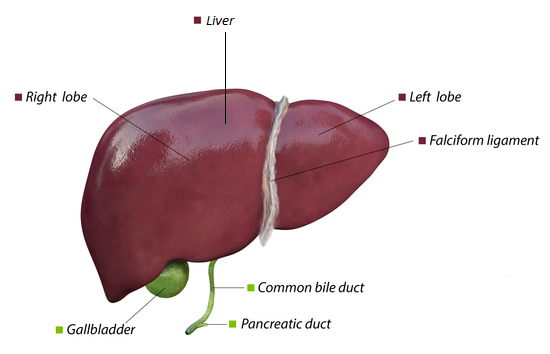
Contact UsThe gallbladder is a pear-shaped organ located just under the liver. It is a part of the digestive system and is responsible for storing bile secreted by the liver and releasing it into the small intestine. Bile is an essential fluid that helps digest fats, cholesterol and some vitamins in the food you eat. Let’s understand what a gallbladder is, gall bladder function, gallbladder surgery, and the best foods for gallbladder pain patients. Below we have provided a picture of gall bladder location in our body.
What is a Gall Bladder and Its Functions?
The gall bladder, also known as chloecyst is a hollow organ that sits below the right lobe of the liver. It looks grey-blue and measures approximately 7-10 cm in length and 4 cm in diameter when fully bloated.
The primary function of a gall bladder is to store bile produced by the liver in its pouch. Secreted by the liver, bile flows through small vessels into the gallbladder, where it is stored and concentrated. When we eat food containing fats and cholesterol, in response to the signals, the gallbladder contracts rhythmically and releases gallbladder juice into the small intestine through a series of tubes called ducts.
Before releasing into the small intestine, the bile is concentrated 3-10 times in the gall bladder by the removal of some water and electrolytes.
Importance of Gall Bladder
Although bile is an important fluid that helps our body digest fats more effectively, the gall bladder itself is not an essential organ for survival. You can live a normal life even if the gall bladder is removed. However, in the absence of the gall bladder, the bile produced by the liver has no place to accumulate and concentrate. This results in the direct release of bile in the small intestine and it becomes difficult for our digestive system to digest large amounts of fatty, greasy, or high-fibre food.
Patients who have had their gall bladder removed need to make some dietary changes to avoid issues such as bloating, gas, and diarrhoea.
Gall Bladder Conditions
Generally, there are no health issues related to the gallbladder. However, problems may arise if something blocks or slows down the flow of bile. Gallbladder diseases can be caused due to various reasons including obesity, childbirth, excessive consumption of fatty foods, etc. Some common gall bladder conditions are:
1. Gallstones
As the name suggests, gallstones are hard stone-like deposits of crystallised digestive fluids formed in the gall bladder. They are made up of cholesterol and calcium. The exact causes of the formation of gallstones are still unclear. However, doctors believe the main causes of gallstone formation are a diet rich in fats and cholesterol, prolonged fasting, and a low-calorie diet aimed at rapid weight loss.
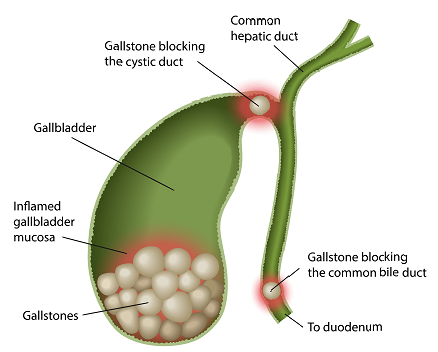
These stones are typically harmless and do not show any symptoms. However, in some cases, patients can feel pain in the abdomen area. Patients have many questions regarding cholelithiasis (formation of gallstones) like
- Why these gallstones are formed?
- What are the symptoms?
- How to diagnose gallbladder stones?
- How to treat gallbladder stones?
- How is life after the removal of the gallbladder?
Get answers to all these questions on gallstones from famous gallbladder doctor Dr. Prabhakar B, Consultant - General, Laparoscopic & Minimal Access Surgery, Manipal Hospital Whitefield.
2. Cholecystitis
The condition of inflammation of the gall bladder is called cholecystitis. It is mostly caused due to the formation of gallstones. These stones block the tube leading out of the gallbladder which results in a bile buildup causing inflammation. Cholecystitis can also occur due to tumours, serious illness, problems in the bile duct or certain infections. If not treated, this gallbladder dysfunction can cause life-threatening complications like gallbladder rupture.
Common symptoms of this condition are:
- Pain in the upper abdomen
- Tenderness over your abdomen when it's touched
- Nausea and vomiting
- Fever
The most common treatment of cholecystitis is gallbladder removal.
3. Gallbladder Cancer
Although uncommon, people can get cancer in the gallbladder. If diagnosed in the early stages, it can be cured. However, it is typically diagnosed in the later stages as signs and symptoms are not visible from the start. The common gallbladder polyps cancer symptoms are abdominal pain and bloating, loss of appetite and unexpected weight loss, a high body temperature, a lump in the belly, yellow skin and white eyes (jaundice).
4. Gallstone pancreatitis
It is a condition in which gallstones formed in the gallbladder block your pancreatic duct and cause pancreatitis resulting in inflammation and pain in your pancreas. This is caused because the gallbladder stone travels from the gallbladder and blocks the opening to the first part of the small intestine (duodenum). This causes a backup of fluid that can travel up both the bile duct and the pancreatic duct.
Common symptoms of gallstone pancreatitis are chills, fever, nausea, jaundice, vomiting, and pain in the upper left abdomen. It can be diagnosed with the help of blood tests and various types of body scans such as CT scans, MRIs, or ultrasounds.
If the symptoms are mild, gallstone pancreatitis can be treated by not eating and drinking for a few days. Patients need to get their gallstones removed through surgery in more severe cases.
5. Sclerosing Cholangitis
It is a liver condition in which the bile ducts inside and outside the liver become inflamed, scarred, and eventually narrowed or blocked.
6. Biliary Colic
It is a condition in which there is severe pain in the abdomen due to obstruction usually by stones in the cystic duct or common bile duct of the biliary tree.
Tips to Help Prevent Gallbladder Problems
Gallstone formation cannot be prevented completely. However, here are some tips that you can follow to reduce mild gallbladder pain and chances of getting gallstones in the future:
-
Eat fibre-rich foods
Eat foods containing high amounts of fibre such as whole grains, vegetables, and fruits.
-
Limit consumption of foods with high sugar and fat content
Limit your intake of sugary and fatty foods such as cakes, biscuits, full-sugar soft drinks, butter and ice cream. Choose healthy and unsaturated fats such as olive oil, fish oils, etc.
-
Keep a check on your weight
Maintain a healthy BMI. Obesity is one of the major reasons for the formation of gallstones. Moreover, lose weight slowly. Rapid weight loss has been proven to increase the chances of getting gallstones.
-
Maintain your eating schedule
Don’t skip your meals. Ensure that you have a proper eating schedule.
Treatments and Procedures for Gallbladder Problems
The most common and effective treatment method for gallbladder conditions is cholecystectomy or gallbladder removal. The removal of the gallbladder is a common procedure that is performed through laparoscopic surgery at Manipal Hospitals. We house top-of-the-line laparoscopy and video-guided equipment to help our gastroenterologists with superior medical technology to conduct minimally invasive cholecystectomies (gallbladder removal) with ease, upholding patient comfort at all times.
Before doctors can start the gall bladder removal surgery, they might perform various tests and scans to check the severity of the stones. Some of the common gallbladder tests are:
-
HIDA scan (Cholescintigraphy)
A radioactive dye is injected intravenously and released into the bile during this procedure. If the scan reveals that bile does not go from the liver to the gallbladder, cholecystitis is most likely the cause.
-
Ultrasound
Doctors perform an abdominal ultrasound to test for gallstones and to check the gallbladder wall. It is a noninvasive test in which a probe attached to the skin bounces high-frequency sound waves off organs in the abdominal area. In addition to that, doctors sometimes perform an endoscopic ultrasound to detect choledocholithiasis and gallstone pancreatitis. In endoscopic ultrasounds, a flexible tube with a tiny probe at the end is inserted through the mouth to the intestines.
-
Endoscopic retrograde cholangiopancreatography (ERCP)
ERCP uses X-rays and upper gastrointestinal (GI) endoscopy to diagnose and treat issues with the bile and pancreatic ducts. In this test, a flexible endoscope with a camera mounted at the end is inserted through the mouth and stomach, and into the small intestine. A doctor can see through the tube and inject dye into the bile system ducts to make the ducts more visible on x-rays. Moreover, doctors can also pass tiny tools through the endoscope for various purposes such as opening blocked or narrowed ducts, breaking up or removing stones, performing a biopsy or removing tumours in the ducts.
-
Magnetic resonance cholangiopancreatography (MRCP)
Unlike ERCP, it is a non-invasive test. Doctors get high-resolution images of the bile ducts, pancreas, and gallbladder with the help of an MRI scanner. MRCP images help guide further tests and treatments.
-
X-rays
X-rays can be used to detect gallstones.
Procedure for Gallstone Removal
The doctor will perform a complete physical examination and review your medical history before performing this procedure. This will also help minimize or prevent any risks. Through keyhole incisions in your lower abdomen, your doctor will insert the laparoscope and first locate the damaged gallbladder. With another tool inserted in another incision near the first one, he’ll cut the gallbladder away and remove it through the incision. The incisions will be stitched up with dissolvable sutures. You can go home the next day. Book an appointment today at our Gastro Hospital in Bangalore for the best treatment facilities.
Complications in gallbladder removal surgery
Patients may encounter a few complications after the surgery such as
-
Infection
-
Bleeding
-
Injury to the bile duct
-
Bile reflux
In addition to that, some patients might also feel acid reflux after gallbladder removal.
Dr. Aritra Ghosh, Consultant - General, Laparoscopic & Minimal Access Surgery, Manipal Hospitals, Whitefield discusses gallbladder surgery and issues related to the gallbladder in the video below.Gall Bladder Disease Treatment in Bangalore
Another treatment procedure for gallstone removal is medication such as ursodeoxycholic acid and chenodiol. However, these drugs might remove gallstones temporarily. There is always a chance for the stones to form again.
Best Diet for Gallbladder Patients
Patients suffering from gallbladder pain and other diseases related to the gallbladder should follow a healthy diet plan that is low in fat and cholesterol, moderate in calories, and high in fiber. The best foods for gallbladder patients include:
-
Whole grains (oats, brown rice, brown bread, etc.)
-
Fresh fruits and vegetables
-
Low-fat dairy products
-
Sprouts
-
Lean meat
-
Poultry and fish
-
Legumes (lentils, beans, peas)
-
Low-fat foods
On the other hand, foods that increase the chances of developing gallstones include:
-
Processed and fried foods
-
Soda drinks
-
Eggs
-
Fatty and sugary foods
-
High-fat dairy products
If you're experiencing gallbladder issues or need advice on adjusting your diet, it’s important to consult a healthcare professional. You can connect with a doctor online instantly for personalized dietary recommendations and treatment options
FAQs
Here are some frequently asked questions on gall bladder:
Q.1: What is the purpose of the gallbladder?
A: The function of the gallbladder is to store the bile produced by the liver and release it into the small intestine.
Q.2: What are the signs of gallbladder problems in adults?
A: Gallstones don’t show signs and symptoms in the early stages, however, patients can feel gallbladder removal symptoms like nausea & vomiting, upset stomach, indigestion, heartburn, chest pain, dyspepsia, pain in the right shoulder or back, and pain in the upper abdomen in the later stages.
Q.3: What is a gallbladder attack?
A: A gallbladder attack is a condition in which a gallstone blocks a bile duct, resulting in severe, stabbing pain in the abdomen that can last for several hours. Common symptoms of a gallbladder attack are severe pain in the stomach, back or shoulder pain, chest pain, fever or chills, nausea & vomiting, pain after eating, jaundice, and tea-coloured urine.
Q.4: Why gallstones are formed?
A: Gallstones can form due to many factors including too much cholesterol or bilirubin in the bile, slow and small bowel transit, highly concentrated bile, etc. Apart from these, genetics can also be a reason to get gallstones.
Q.5: What are gallbladder issues during pregnancy?
A: There is a greater risk of the formation of gallstones during pregnancy. This is a result of greater cholesterol levels and delayed gallbladder emptying brought on by increased hormone levels during pregnancy.
Department of Laparoscopic Surgery
Manipal Hospitals
The gall bladder, also known as chloecyst is a hollow organ that sits below the right lobe of the liver. It looks grey-blue and measures approximately 7-10 cm in length and 4 cm in diameter when fully bloated.
The primary function of a gall bladder is to store bile produced by the liver in its pouch. Secreted by the liver, bile flows through small vessels into the gallbladder, where it is stored and concentrated. When we eat food containing fats and cholesterol, in response to the signals, the gallbladder contracts rhythmically and releases gallbladder juice into the small intestine through a series of tubes called ducts.
Before releasing into the small intestine, the bile is concentrated 3-10 times in the gall bladder by the removal of some water and electrolytes.
Although bile is an important fluid that helps our body digest fats more effectively, the gall bladder itself is not an essential organ for survival. You can live a normal life even if the gall bladder is removed. However, in the absence of the gall bladder, the bile produced by the liver has no place to accumulate and concentrate. This results in the direct release of bile in the small intestine and it becomes difficult for our digestive system to digest large amounts of fatty, greasy, or high-fibre food.
Patients who have had their gall bladder removed need to make some dietary changes to avoid issues such as bloating, gas, and diarrhoea.
Generally, there are no health issues related to the gallbladder. However, problems may arise if something blocks or slows down the flow of bile. Gallbladder diseases can be caused due to various reasons including obesity, childbirth, excessive consumption of fatty foods, etc. Some common gall bladder conditions are:
As the name suggests, gallstones are hard stone-like deposits of crystallised digestive fluids formed in the gall bladder. They are made up of cholesterol and calcium. The exact causes of the formation of gallstones are still unclear. However, doctors believe the main causes of gallstone formation are a diet rich in fats and cholesterol, prolonged fasting, and a low-calorie diet aimed at rapid weight loss.
These stones are typically harmless and do not show any symptoms. However, in some cases, patients can feel pain in the abdomen area. Patients have many questions regarding cholelithiasis (formation of gallstones) like
- Why these gallstones are formed?
- What are the symptoms?
- How to diagnose gallbladder stones?
- How to treat gallbladder stones?
- How is life after the removal of the gallbladder?
Get answers to all these questions on gallstones from famous gallbladder doctor Dr. Prabhakar B, Consultant - General, Laparoscopic & Minimal Access Surgery, Manipal Hospital Whitefield.
The condition of inflammation of the gall bladder is called cholecystitis. It is mostly caused due to the formation of gallstones. These stones block the tube leading out of the gallbladder which results in a bile buildup causing inflammation. Cholecystitis can also occur due to tumours, serious illness, problems in the bile duct or certain infections. If not treated, this gallbladder dysfunction can cause life-threatening complications like gallbladder rupture.
Common symptoms of this condition are:
- Pain in the upper abdomen
- Tenderness over your abdomen when it's touched
- Nausea and vomiting
- Fever
The most common treatment of cholecystitis is gallbladder removal.
Although uncommon, people can get cancer in the gallbladder. If diagnosed in the early stages, it can be cured. However, it is typically diagnosed in the later stages as signs and symptoms are not visible from the start. The common gallbladder polyps cancer symptoms are abdominal pain and bloating, loss of appetite and unexpected weight loss, a high body temperature, a lump in the belly, yellow skin and white eyes (jaundice).
It is a condition in which gallstones formed in the gallbladder block your pancreatic duct and cause pancreatitis resulting in inflammation and pain in your pancreas. This is caused because the gallbladder stone travels from the gallbladder and blocks the opening to the first part of the small intestine (duodenum). This causes a backup of fluid that can travel up both the bile duct and the pancreatic duct.
Common symptoms of gallstone pancreatitis are chills, fever, nausea, jaundice, vomiting, and pain in the upper left abdomen. It can be diagnosed with the help of blood tests and various types of body scans such as CT scans, MRIs, or ultrasounds.
If the symptoms are mild, gallstone pancreatitis can be treated by not eating and drinking for a few days. Patients need to get their gallstones removed through surgery in more severe cases.
It is a liver condition in which the bile ducts inside and outside the liver become inflamed, scarred, and eventually narrowed or blocked.
It is a condition in which there is severe pain in the abdomen due to obstruction usually by stones in the cystic duct or common bile duct of the biliary tree.
Gallstone formation cannot be prevented completely. However, here are some tips that you can follow to reduce mild gallbladder pain and chances of getting gallstones in the future:
Eat foods containing high amounts of fibre such as whole grains, vegetables, and fruits.
Limit your intake of sugary and fatty foods such as cakes, biscuits, full-sugar soft drinks, butter and ice cream. Choose healthy and unsaturated fats such as olive oil, fish oils, etc.
Maintain a healthy BMI. Obesity is one of the major reasons for the formation of gallstones. Moreover, lose weight slowly. Rapid weight loss has been proven to increase the chances of getting gallstones.
Don’t skip your meals. Ensure that you have a proper eating schedule.
The most common and effective treatment method for gallbladder conditions is cholecystectomy or gallbladder removal. The removal of the gallbladder is a common procedure that is performed through laparoscopic surgery at Manipal Hospitals. We house top-of-the-line laparoscopy and video-guided equipment to help our gastroenterologists with superior medical technology to conduct minimally invasive cholecystectomies (gallbladder removal) with ease, upholding patient comfort at all times.
Before doctors can start the gall bladder removal surgery, they might perform various tests and scans to check the severity of the stones. Some of the common gallbladder tests are:
A radioactive dye is injected intravenously and released into the bile during this procedure. If the scan reveals that bile does not go from the liver to the gallbladder, cholecystitis is most likely the cause.
Doctors perform an abdominal ultrasound to test for gallstones and to check the gallbladder wall. It is a noninvasive test in which a probe attached to the skin bounces high-frequency sound waves off organs in the abdominal area. In addition to that, doctors sometimes perform an endoscopic ultrasound to detect choledocholithiasis and gallstone pancreatitis. In endoscopic ultrasounds, a flexible tube with a tiny probe at the end is inserted through the mouth to the intestines.
ERCP uses X-rays and upper gastrointestinal (GI) endoscopy to diagnose and treat issues with the bile and pancreatic ducts. In this test, a flexible endoscope with a camera mounted at the end is inserted through the mouth and stomach, and into the small intestine. A doctor can see through the tube and inject dye into the bile system ducts to make the ducts more visible on x-rays. Moreover, doctors can also pass tiny tools through the endoscope for various purposes such as opening blocked or narrowed ducts, breaking up or removing stones, performing a biopsy or removing tumours in the ducts.
Unlike ERCP, it is a non-invasive test. Doctors get high-resolution images of the bile ducts, pancreas, and gallbladder with the help of an MRI scanner. MRCP images help guide further tests and treatments.
X-rays can be used to detect gallstones.
The doctor will perform a complete physical examination and review your medical history before performing this procedure. This will also help minimize or prevent any risks. Through keyhole incisions in your lower abdomen, your doctor will insert the laparoscope and first locate the damaged gallbladder. With another tool inserted in another incision near the first one, he’ll cut the gallbladder away and remove it through the incision. The incisions will be stitched up with dissolvable sutures. You can go home the next day. Book an appointment today at our Gastro Hospital in Bangalore for the best treatment facilities.
Patients may encounter a few complications after the surgery such as
-
Infection
-
Bleeding
-
Injury to the bile duct
-
Bile reflux
In addition to that, some patients might also feel acid reflux after gallbladder removal.
Dr. Aritra Ghosh, Consultant - General, Laparoscopic & Minimal Access Surgery, Manipal Hospitals, Whitefield discusses gallbladder surgery and issues related to the gallbladder in the video below.Gall Bladder Disease Treatment in Bangalore
Another treatment procedure for gallstone removal is medication such as ursodeoxycholic acid and chenodiol. However, these drugs might remove gallstones temporarily. There is always a chance for the stones to form again.
Patients suffering from gallbladder pain and other diseases related to the gallbladder should follow a healthy diet plan that is low in fat and cholesterol, moderate in calories, and high in fiber. The best foods for gallbladder patients include:
-
Whole grains (oats, brown rice, brown bread, etc.)
-
Fresh fruits and vegetables
-
Low-fat dairy products
-
Sprouts
-
Lean meat
-
Poultry and fish
-
Legumes (lentils, beans, peas)
-
Low-fat foods
On the other hand, foods that increase the chances of developing gallstones include:
-
Processed and fried foods
-
Soda drinks
-
Eggs
-
Fatty and sugary foods
-
High-fat dairy products
If you're experiencing gallbladder issues or need advice on adjusting your diet, it’s important to consult a healthcare professional. You can connect with a doctor online instantly for personalized dietary recommendations and treatment options
Here are some frequently asked questions on gall bladder:
A: The function of the gallbladder is to store the bile produced by the liver and release it into the small intestine.
A: Gallstones don’t show signs and symptoms in the early stages, however, patients can feel gallbladder removal symptoms like nausea & vomiting, upset stomach, indigestion, heartburn, chest pain, dyspepsia, pain in the right shoulder or back, and pain in the upper abdomen in the later stages.
A: A gallbladder attack is a condition in which a gallstone blocks a bile duct, resulting in severe, stabbing pain in the abdomen that can last for several hours. Common symptoms of a gallbladder attack are severe pain in the stomach, back or shoulder pain, chest pain, fever or chills, nausea & vomiting, pain after eating, jaundice, and tea-coloured urine.
A: Gallstones can form due to many factors including too much cholesterol or bilirubin in the bile, slow and small bowel transit, highly concentrated bile, etc. Apart from these, genetics can also be a reason to get gallstones.
A: There is a greater risk of the formation of gallstones during pregnancy. This is a result of greater cholesterol levels and delayed gallbladder emptying brought on by increased hormone levels during pregnancy.
Department of Laparoscopic Surgery
Manipal Hospitals
Share this Article


Recent Blogs
Test blog - oct 1
01 Oct 20267 Min Read
Understanding Insulin Resistance: A Core Concept Insulin is a vital hormone In the intricate landscape of women's health, certain conditions often go unnoticed until they manifest into more significant concerns. One such silent yet powerful player is insulin resistance. It's a condition where your body's cells don't respond effectively to insulin, leading to elevated blood sugar levels. For many women, understanding the early insulin resistance symptoms in females can be a game-changer, enabling timely intervention and preventing a cascade of health issues. In this blog, an experienced gynaecologist in Mysuru explains in detail the nuances of insulin resistance in women, highlighting the crucial early signs you should be aware of. Recognising these signs of insulin resistance in females is the first step towards taking control of your health journey. it. For women, the prevalence can be even higher, particularly in certain life stages or conditions. Causes of Insulin Resistance in Women While insulin resistance can affect anyone, women face unique physiological factors that can increase their susceptibility: Lifestyle Tips for Long-Term Liver Health The table below lists straightforward lifestyle tips to support lasting liver health and avoid extra damage. ljfslsdjksnfs3333333TestingTestingTestingTestingTestingTestingTestingTestingTestingTestingTestingTestingTestingTestingTestingTestingTestingTestingTestingTestingTestingTestingTestingTestingTestingTestingTestingTestingTestingTestingTestingTestingTestingTestingTestingTestingTestingTestingTestingTestingTesting uiuiiuhghhjTip Description Avoid processed and fried foods Reduces excess fat intake and supports better liver function Include antioxidant-rich foods Fruits and vegetables help protect liver cells from damage Stay physically active Regular exercise improves metabolism and reduces fat accumulation in the liver Monitor weight regularly Helps in maintaining a healthy weight and preventing fat buildup Schedule routine health check-ups Enables early detection and management of liver-related issues These habits support long-term recovery and reduce the risk of future fatty liver problems.
Read NowTypes of Nerve Injury: Causes, Symptoms & Recovery Guide
24 Sept 20260 Min Read
Nerve injuries happen when a nerve is pinched, stretched, cut or damaged. These injuries can cause numbness, tingling, or sharp pain.
Read Nowtesting admin blogs
20 Sept 20262 Min Read
dislocated-hip-symptoms test https://manipaltest.cosmicnet.xyz/referral-program/
Read NowDislocated Hip: Understanding Symptoms, Causes, and Treatment Options
26 Aug 20265 Min Read
A dislocated hip is a severe injury that occurs when the head of the thigh bone (femur) is forced out of the hip socket (acetabulum). This traumatic event can be incredibly painful and immediately incapacitating, requiring urgent medical attention. This blog explores the symptoms, causes, diagnosis, and treatment of hip dislocation with expert insights from specialists at Manipal Hospitals, a top orthopaedic hospital in Vijayawada, offering comprehensive hip dislocation treatment in Vijayawada to help patients achieve the best possible recovery. Understanding the signs, causes, and available treatment options is crucial for anyone who has experienced or knows someone who has experienced this injury. Early intervention is key to preventing long-term complications and ensuring a successful recovery.
Read NowFluttering in Chest: Causes, Symptoms & When to See a Doctor
26 Jun 20266 Min Read
A sudden, strange tapping, flipping or thumping inside your chest can be highly unsettling. This feeling can match the sensation of a brief skipped beat or a sudden twitch. This sensation is commonly known as a fluttering chest. While a fluttering feeling in the chest can be alarming and cause your anxiety to spike, it is actually a very common experience. In many cases, it is harmless. However, in some cases, it points to an underlying medical issue that needs attention.
Read Now10 Warning Signs of an Unhealthy Gut You Must Not Ignore
26 Jun 20266 Min Read
Your gut does much more than digest food. It plays a key role in your energy levels, immune system, mood, and overall well-being. When your gut is healthy, your body works smoothly. But when something is wrong, your body often sends warning signals. Unfortunately, many people ignore these signs or assume they are caused by stress, lack of sleep, or a busy lifestyle. Recognising the early signs of poor gut health can help you make changes before the problem becomes worse. Here are 10 signs of an unhealthy gut that you should never ignore.
Read NowWhat Creatinine Level Indicates Kidney Failure? Doctors Explain
22 Jun 20266 Min Read
Creatinine is a waste product produced by your muscles every day. Healthy kidneys remove it from the blood and pass it out through urine. When the kidneys are not working properly, creatinine can build up in the bloodstream. Seeing a high creatinine level in your blood test report can be working. Many people immediately think it's kidney failure. However, creatinine levels alone do not tell the whole story. Doctors look at several factors, including your age, overall health, and kidney function tests, before determining how well your kidneys are working.
Read NowStomach Cancer Lump: What It Feels Like & When to See a Doctor
22 Jun 20267 Min Read
Finding an unusual bump or swelling on your body can be alarming. If you notice a change in your tummy, it is completely natural to feel a wave of anxiety and wonder what it might mean. One thought that might cross your mind is whether it could be a stomach cancer lump. Feeling concerned is completely valid, but it helps to know that most abdominal changes may have very simple explanations. Understanding what to look for can help quiet some of that worry.
Read NowUnderstanding CT scan and its role in cancer detection.
15 Jun 20268 Min Read
When doctors suspect a serious health condition, imaging tests often play a crucial role in diagnosis. One of the most used imaging tools is a computed tomography (CT) scan. A CT scan provides detailed cross-sectional images of the body`s organs, tissues, and blood vessels. These images can reveal abnormalities that may indicate the presence of cancer. However, understanding what a CT scan can and cannot do is important for accurate diagnosis and treatment planning. However, can a CT scan detect cancer? A CT scan is extremely important in detecting cancer, but it is not always definitive on its own
Read NowTypes of Nerve Injury: Causes, Symptoms & Recovery Guide
15 Jun 20266 Min Read
Nerve injuries happen when a nerve is pinched, stretched, cut or damaged. These injuries can cause numbness, tingling, or sharp pain. Nerves are cords that carry electrical signals from your brain and spinal cord (central nervous system) to the rest of your body and vice versa. These signals allow you to move your muscles and feel sensations like touch and temperature. When a nerve is damaged, these signals are disrupted.
Read Now